
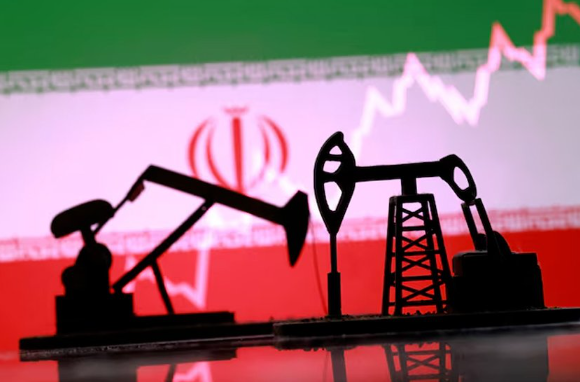
Brent crude futures rose $3.09, or 3.89 per cent, to $82.54 a barrel by 12:37pm EDT, while US West Texas Intermediate (WTI) futures gained $2.49, or 3.31pc, to $77.71.
Oil prices climbed amid growing concerns over potential disruptions to energy supplies following reports that an Iranian parliamentary committee is considering legislation to restrict US, Israeli and other vessels deemed hostile from using the Strait of Hormuz.
According to Iran’s Fars news agency, the proposed legislation could impose fines of up to 20pc of the value of cargo carried by vessels violating the restrictions.
“Crude traders remain focused on the US-Iran agreements, and the longer the delays, the more prices will fade back to the upside,” said Dennis Kissler, senior vice president of trading at BOK Financial.
The Strait of Hormuz remains a critical route for global energy supplies. Before the Iran conflict began in late February, around one-fifth of the world’s daily oil and liquefied natural gas shipments passed through the waterway.
Market concerns were also heightened by developments in Yemen, where the Houthis claimed to have carried out missile and drone attacks against Saudi deployments in Marib and Hadramout. The group said the attacks killed or wounded hundreds of Saudi-aligned fighters and destroyed military camps, weapons depots and vehicles.
John Kilduff, partner at Again Capital, said oil markets were fluctuating in response to changing regional tensions. He described the attacks as a significant development because they represented increased activity outside the Persian Gulf and raised renewed concerns over the security of the Red Sea shipping route.
Meanwhile, crude oil and condensate exports from Gulf countries remained largely stable in July but were still around 40pc below pre-war levels, according to shipping data.
Iran has also warned Gulf states that any further US attack on its territory could prompt retaliation against critical energy infrastructure across the region, according to five sources. Tehran is seeking to increase the potential cost of military action by threatening key US allies in the region.
The Iran-aligned Houthis said on Wednesday that they had launched missile attacks on two Saudi oil tankers, one off the Red Sea port city of Yanbu and another in the nearby Gulf of Aden. Saudi authorities have not confirmed the reported attacks.
“Houthi attacks so far have not significantly disrupted oil and gas supply, but this might change if attacks escalate further,” said Roberto Cominotto, an equity research analyst at Julius Baer.