Russia’s parliamentary election entered its final day amid a major drone attack targeting Moscow and surrounding areas, with local authorities reporting two deaths and strikes on infrastructure in the capital region.
A major oil refinery in Moscow was also hit during the attack. Explosions were reported in the capital, while smoke was seen rising from the refinery site. The extent of the damage to the facility was not immediately clear.
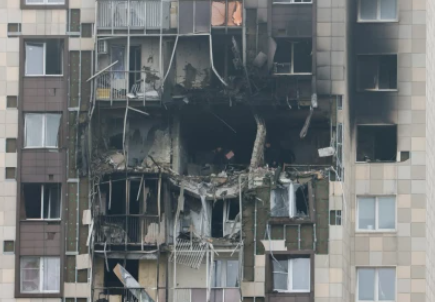
Authorities said more than 1,600 drones had been intercepted across different areas since the previous day, including hundreds that were reportedly heading towards Moscow. One drone struck a residential building, although no deaths were reported among its residents.
Russian authorities described the attack as an attempt to disrupt the election, while saying that the voting process had continued.
The State Duma election is the first parliamentary vote since Russia launched its full-scale invasion of Ukraine in February 2022. The ruling party is expected to maintain its dominant position, while the election is taking place amid restrictions on political opposition and growing economic pressures linked to the war.
Many anti-war candidates were prevented from contesting the election. Some opposition candidates who were allowed to participate have raised concerns about political pressure and restrictions on public criticism of the conflict.
Russian laws impose prison sentences for statements authorities consider to be false information about the armed forces or for actions deemed to discredit the military.
The government has defended restrictions and censorship as necessary during the military campaign in Ukraine, while describing the conflict as part of a broader confrontation with Western countries.
Russian electoral authorities also reported that Moscow’s online voting system had been targeted by a cyberattack.
Ukraine has rejected the Russian election as illegitimate and has suspended its own elections under martial law.
Russian authorities have also accused Ukraine of attempting to interfere with the election, including through attacks on election-related officials in Russian-controlled areas of Ukraine. The claims could not be independently verified.
Despite expectations of a predictable overall result, analysts have said economic difficulties and public concerns related to the war could affect support for parties allowed to contest the election.
Some permitted opposition parties could potentially attract protest votes, although they have generally supported major government policies in parliament.
The Russian leadership has urged voters to participate, portraying the election as an expression of national unity and public support for troops involved in the war in Ukraine.
Initial election results are expected to emerge after voting ends on Sunday, with more complete results expected on Monday.