
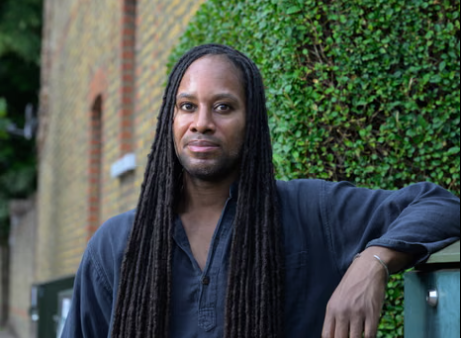
Former Cambridge professor Jason Arday, 41, was found dead at a property in south London on Friday, days after resigning from his university post amid allegations of plagiarism and questions over aspects of his academic and personal record.
The Metropolitan Police said officers were called by the London Ambulance Service after a man was found unresponsive at a property in Battersea. A 41-year-old man was pronounced dead at the scene.
Police said the death was being treated as unexpected but was not believed to be suspicious. Officers from the Met’s Central South Command Unit are investigating, and a report will be prepared for the coroner. His next of kin have been informed.
Cambridge University Vice Chancellor Deborah Prentice expressed sadness over the death, while Education Secretary Lucy Powell said she was “deeply shocked” and urged people to respect the family’s privacy.
Arday’s family criticised what they described as a “campaign of harassment” that followed allegations concerning his academic work and personal life.
“The campaign of misinformation was too much for Jason,” the family said in a statement released through his publisher, Simon & Schuster.
Arday became Cambridge’s youngest Black professor in 2023. His academic career came under scrutiny after academics and media reports accused him of copying sections of his doctoral thesis from other sources.
The allegations were widely highlighted by British right-wing newspapers and commentators, who questioned whether diversity, equality and inclusion policies had played a role in his appointment.
Arday announced on Aug 5 that he was resigning as a professor and fellow of Jesus College after the university announced investigations into the allegations.
In a statement announcing his resignation, he said stepping down was “the only way” to bring an end to a difficult period but stressed that his decision should not be interpreted as accepting the allegations made against him.
The controversy intensified after Nathan Cofnas, a US academic who describes himself as a “race realist”, published allegations concerning Arday’s academic work in July.
The claims included allegations that several sections of Arday’s doctoral dissertation had been copied from other works.
The Times and Telegraph subsequently published several reports examining Arday’s academic record and personal claims. Some of his statements about his personal achievements, including claims that he had completed 30 marathons in 35 days and raised millions of pounds for charities, were also disputed.
In an interview with The Times earlier this month, Arday acknowledged making academic “mistakes” but rejected portrayals of him as a liar, fantasist or academic fraud.
He also alleged that efforts to remove him from his position were “racially motivated”.
The controversy divided opinion within Cambridge and the wider academic community. Some university academics wrote to Ms Prentice criticising Arday’s appointment and calling for an independent investigation, while others issued statements in his support.
Ms Prentice had described the alleged misconduct as an “aberration” and pledged a thorough and transparent investigation. She also warned against using the controversy to cast doubt on other academics from ethnic minority backgrounds.
She said the inquiry would examine the circumstances surrounding Arday’s appointment and his tenure at Cambridge, with academics from outside the university also expected to participate.
Arday’s memoir, Great and Unfortunate Things, was published in the United States shortly before his death and had also come under scrutiny. Its UK release had been scheduled for later this month.