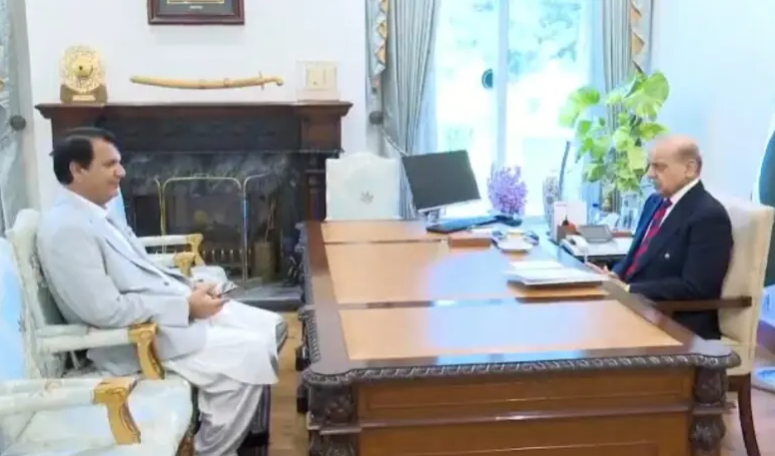

The Sindh High Court has dismissed a petition challenging the reappointment of Jinnah Sindh Medical University (JSMU) Associate Professor Dr Nighat Shah, ruling that the matter involved a policy decision of the provincial cabinet.
The petition was filed by JSMU Associate Professor Dr Memoona Rehman, who challenged the Sindh cabinet’s August 5 decision and a subsequent letter issued by the Universities and Boards Department regarding Dr Shah’s proposed reappointment.
Petitioner’s counsel Malik Naeem Iqbal argued that Dr Rehman, being a regularly appointed associate professor in the same specialty, was directly affected by Dr Shah’s re-employment as it could impact her promotion prospects to the post of professor.
He contended that the three-year contractual appointment was approved through a person-specific cabinet decision shortly before Dr Shah’s retirement and was allegedly contrary to the JSMU Act, 2013, and related statutes.
The counsel further argued that the post had already been advertised and a competitive selection process was underway, leaving no exceptional circumstances to justify Dr Shah’s re-employment.
A two-member constitutional bench headed by Justice Adnan-ul-Karim Memon, however, dismissed the petition at the preliminary stage.
The bench said a petitioner invoking the high court’s constitutional jurisdiction under Article 199 must establish that no other adequate legal remedy was available. It added that the court could not ordinarily exercise such jurisdiction against cabinet decisions concerning policy matters.
The court observed that an exception could arise if an impugned decision was shown to be mala fide, but said no such allegation had been established in the present case.
The bench noted that the cabinet’s decision was based on considerations of public interest and institutional continuity, including the provision of specialised healthcare services, academic leadership, postgraduate medical education, research and institutional excellence.
However, the court clarified that the August 5 cabinet decision did not itself appoint Dr Shah. Instead, it directed that her appointment be considered in accordance with the prescribed legal procedure.
The bench observed that the decision could not override the requirements of the JSMU Act, 2013, relevant statutes or the applicable recruitment framework, particularly as the post of Professor of Gynaecology and Obstetrics had already been advertised.
The court also noted that the re-employment of a retired faculty member for another three years was required to be considered by the university in accordance with the law.
Dismissing the petition in limine, the bench further observed that the Pakistan Medical and Dental Council’s notification required that contractual appointments of retired faculty should not adversely affect the promotion prospects or career progression of serving faculty members.