Talks between Iran and the United States remain stalled as the two countries continue to face a deadlock in the conflict that began with US and Israeli attacks in February.
Iran has kept the strategic Strait of Hormuz partially closed, while the US continues its naval counter-blockade of Tehran.
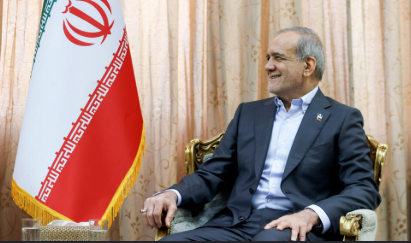
Iranian President Masoud Pezeshkian said the time had come to end the war, arguing that Tehran was negotiating from a position of strength. He also defended a June memorandum of understanding with Washington, saying it contained no provisions amounting to Iran’s capitulation.
The agreement has faced criticism from hardline Iranian lawmakers, particularly over provisions linked to reopening the Strait of Hormuz.
Meanwhile, the US has announced plans to intensify economic sanctions against Iran. Treasury Secretary Scott Bessent said Washington aimed to increase pressure on Tehran and suggested the strategy could reduce the need for further military action.
Iran condemned the sanctions as “economic terrorism”, while China said sanctions and pressure would not resolve the conflict and urged all sides to pursue diplomatic and political solutions.
The issue is also expected to feature in Chinese President Xi Jinping’s planned meeting with US President Donald Trump at the White House on Sept 24.
Iranian officials have meanwhile dismissed Washington’s so-called “Economic D-Day” sanctions campaign, describing it as an attempt to divert attention from economic problems in the United States.