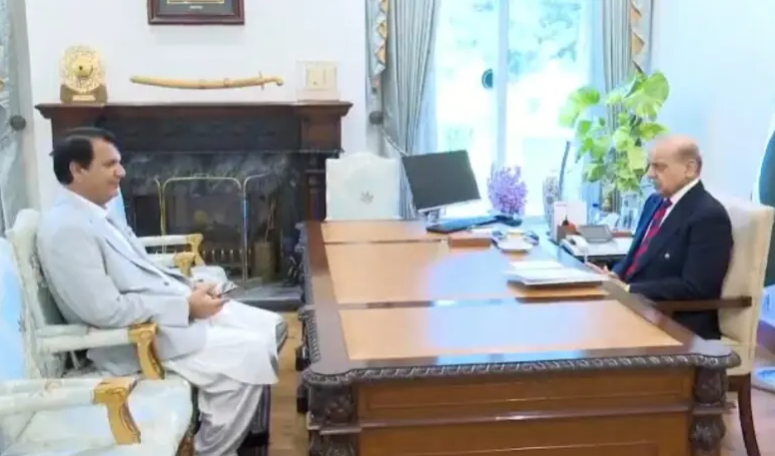
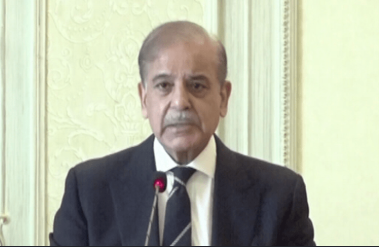
Prime Minister Shehbaz Sharif has said the people of Balochistan will have the first right to benefit from the province’s mineral and natural resources, stressing the need for investment, expertise and modern technology to exploit its untapped wealth.
Addressing the closing ceremony of the Balochistan National Workshop in Quetta, the premier said the province could be considered Pakistan’s richest in terms of its mineral resources, with large quantities of precious metals and minerals still lying beneath its mountains.
“This is the wealth of the people of Balochistan,” he said, adding that the federal and provincial governments would have to work together to ensure that the benefits reach the people of the province first and then the rest of Pakistan.
PM Shehbaz also highlighted Balochistan’s challenges, including limited access to education, healthcare and roads, as well as security concerns. He called for consensus, dialogue and fair distribution of resources to address these issues.
Rejecting violence as a means of resolving disputes, the prime minister praised security forces and law-enforcement agencies for their sacrifices in combating terrorism in the province.
Earlier, Chief of Defence Forces and Chief of Army Staff Field Marshal Asim Munir had said foreign-sponsored proxies were being used to destabilise Balochistan, hinder its development and create divisions between the state and its people.
Balochistan has significant undeveloped deposits of copper, gold, chromite, antimony and potentially rare earth elements. The province is also home to the Reko Diq copper and gold project, which is expected to begin production by the end of 2028.
The province has also witnessed a sharp deterioration in its security situation. According to PICSS, deaths in Balochistan rose by 241 per cent in July to 372 from 109 in June, with significant increases in casualties among security personnel, terrorists and civilians.