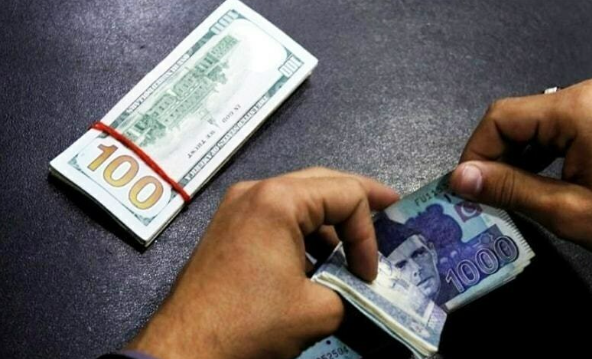
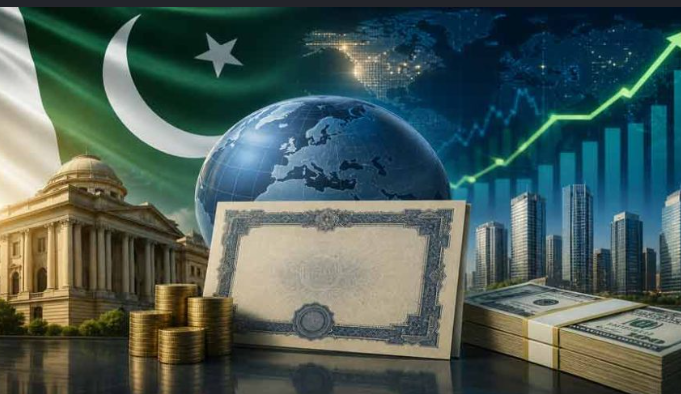
Pakistan’s successful $3 billion dual-tranche Eurobond sale has provided a significant boost to investor confidence, with international buyers offering nearly twice the amount sought by Islamabad and showing willingness to hold the country’s debt for up to 10 years.
The strong demand comes two years after Pakistan faced a serious risk of default and adds to the government’s narrative of economic recovery. The transaction is expected to strengthen foreign exchange reserves, establish a new pricing benchmark for the country and reduce reliance on short-term bilateral debt rollovers.
By securing financing with maturities of 5.5 and 10 years, Pakistan has also extended the period before the debt needs to be refinanced. The successful sale, following recent credit-rating upgrades, provides an important indication of improved market confidence in the country’s financial position.
However, the borrowing comes at a relatively high cost. The coupon rates are close to the returns offered on Roshan Digital deposits and represent significant hard-currency liabilities for a country that cannot issue dollars and continues to face challenges in generating sufficient foreign exchange.
The latest issue is also more expensive than Pakistan’s previous comparable dollar bond sale in 2021. At that time, the country borrowed at 5.875 per cent for five-year bonds and 7.375pc for 10-year bonds. The higher cost partly reflects elevated global dollar interest rates following the US Federal Reserve’s tightening cycle.
Pakistan-specific risks have also contributed to the higher pricing, as investors continue to demand a risk premium from the country. Although the latest ratings upgrades have improved sentiment, Pakistan remains below investment-grade status.
Comparing Eurobond yields across countries can be difficult because pricing depends on factors including credit ratings, maturity periods and prevailing global interest rates. However, compared with countries with similar credit profiles, Pakistan’s borrowing costs remain relatively high.
The longer-term test of the transaction will be Pakistan’s ability to return to international capital markets and secure financing at a lower cost. If the country can borrow more cheaply over the next one or two years, it would provide stronger evidence that the investor confidence reflected in the latest bond sale is sustainable.