
Saudi Arabia’s interest in Pakistan’s Reko Diq copper-gold project highlights a shift in the country’s investment landscape, with attention increasingly moving from investment announcements to actual capital deployment and productive capacity.
What initially emerged as discussions over potential Saudi equity participation in Reko Diq has gained wider significance as Pakistan seeks to establish a foothold in the global copper supply chain. Copper is expected to remain a key commodity for electrification, renewable energy and the global transition towards cleaner energy.
The involvement of international institutions, including the Asian Development Bank, the World Bank Group’s International Finance Corporation and the US Export-Import Bank, has further strengthened the project’s profile. Their participation indicates that major investment opportunities in Pakistan are increasingly being assessed on the basis of project viability, financing arrangements and commercial risks rather than geopolitical considerations alone.
Saudi Aramco’s acquisition of a 40 per cent stake in Gas & Oil Pakistan Ltd is another example of a shift away from an investment model centred largely on memorandums of understanding. The transaction represents actual ownership, commercial responsibility and exposure to the performance of Pakistan’s market, making it more significant than an expression of interest or an MoU.
The distinction between investor interest, financial commitment and actual investment remains crucial. An expression of interest does not constitute investment, while an MoU does not represent deployed capital. Similarly, reaching financial close does not necessarily mean funds have been disbursed, and announced investment figures do not automatically translate into new productive capacity.
Pakistan’s investment narrative has often blurred these distinctions. Gulf sovereign wealth funds and major corporations, which manage substantial pools of capital, seek commercial returns, strategic advantages and long-term value. Presenting them primarily with financially distressed state-owned enterprises may therefore fail to align with their investment objectives.
Instead, Pakistan needs to offer assets and projects that investors can assess, value and manage with confidence. This requires transparent valuations, credible corporate governance, commercially viable business plans, predictable regulations and safeguards against abrupt policy changes.
Investors also need greater clarity over risks related to taxation, regulation, security, land access, environmental obligations and changes in government policies.
The minerals sector particularly demonstrates the importance of these conditions. Investors committing capital over several decades need certainty not only about geological potential but also about exploration rights, taxation, royalties, environmental responsibilities, land access, security and the respective roles of federal and provincial governments.
Without such certainty, Pakistan’s substantial mineral resources could remain commercially underdeveloped.
Productive investment also differs fundamentally from other forms of external financing. Borrowing can provide foreign exchange but does not necessarily create long-term productive capacity. Deposits and rollovers can temporarily ease external financing pressures, while portfolio investments can strengthen financial markets but may also leave quickly.
Long-term productive investments, by contrast, can generate sustained economic benefits. A successful mining project can attract capital and produce export revenues for decades, while manufacturing facilities can substitute imports and expand exports. Improved logistics can reduce transportation costs, commercially viable agriculture can generate export surpluses, and energy investments can improve efficiency while reducing the foreign exchange burden of imported fuel.
The quality of investment is therefore as important as its volume.
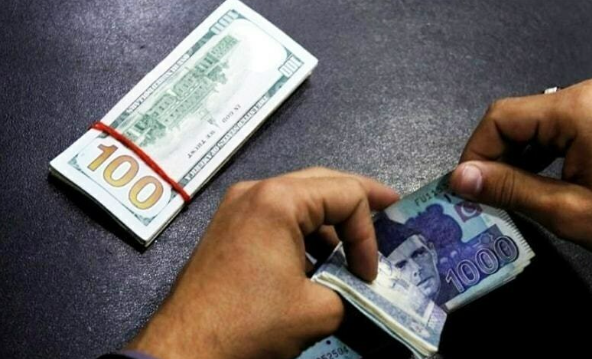
Recent foreign direct investment figures offer a useful measure of the challenge. Net FDI declined to around $1.64 billion in FY26 from $2.48 billion in FY25, representing a fall of roughly 34 per cent. Although gross inflows were higher, substantial outflows reduced the amount retained as net investment.
However, the figures must be viewed in the context of the long development cycles of major mining, energy and infrastructure projects. Such projects typically move through feasibility studies, regulatory approvals, financing arrangements, construction and phased spending rather than receiving their full investment in a single instalment.
This should not, however, justify a continued blurring of the distinction between announced commitments and realised investment. Pakistan needs to systematically track and explain the gap between the two.
The Special Investment Facilitation Council has an important role to play in improving how the country measures investment performance.
Rather than focusing primarily on the number of foreign delegations or MoUs signed, investment performance should be assessed through measurable outcomes, including projects reaching financial close, foreign capital actually entering the country, productive assets created, sustainable jobs generated, additional export capacity and foreign exchange earned or saved.
Investment pipelines should consequently be monitored through clearly defined stages from expression of interest and due diligence to agreements, financial close, disbursement, construction, commercial operations and, ultimately, economic impact.
Such a framework would improve the credibility of Pakistan’s investment policy and help authorities distinguish between projects making genuine progress and those that remain largely on paper.