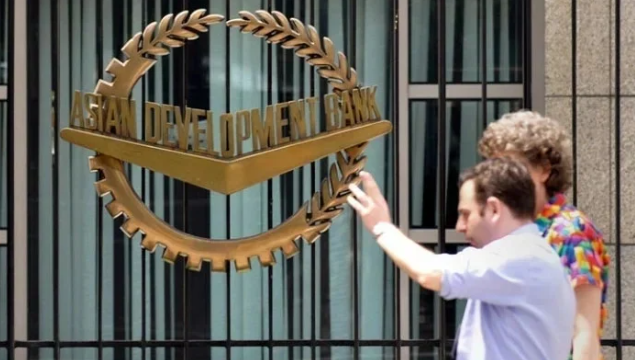
Pakistan’s economic growth is projected to remain at 3.7% in fiscal year 2026-27 (FY27), while average inflation is expected to rise to 8.3%, according to the latest economic outlook.
The growth projection remains unchanged from the previous forecast. Earlier estimates had placed Pakistan’s FY27 growth at 4.5%.
The latest outlook warned that the economic outlook faces several downside risks, including a possible escalation of the Middle East conflict. Higher energy import costs could increase inflationary pressures, while disruptions in Gulf labour markets could affect remittances sent by Pakistani workers.
The reintroduction of austerity measures could also weigh on domestic demand and economic activity, particularly if government spending cuts are greater than expected.
Other risks include tighter global financing conditions, weaker-than-expected tax revenues, weather-related shocks to agriculture and delays in reforms involving the energy sector and state-owned enterprises.
Continued implementation of economic reforms was identified as important for strengthening fiscal and external stability and maintaining investor confidence.
Pakistan’s economy expanded by 3.7% in FY26, up from 3.2% in FY25. Growth was supported by resilient services, a recovery in manufacturing, improved agricultural activity and stronger private investment.
Economic activity was affected during the final quarter of FY26 by the impact of the Middle East conflict.
Improved external buffers, continued reforms, renewed access to international capital markets and upgrades in sovereign credit ratings are expected to support investor confidence and private investment. However, elevated energy costs and continued external uncertainty could limit the pace of further economic expansion.
Agriculture grew by 2.9% in FY26 despite flood-related losses to major crops, while private investment increased by 8.6%, supported by lower borrowing costs and improved business confidence.
Fiscal consolidation also continued during FY26, while gross international reserves increased, strengthening the country’s external position.
Pakistan received sovereign credit rating upgrades in July and August 2026, reflecting improvements in macroeconomic stability, external buffers and the implementation of economic reforms. The country also regained access to international capital markets through Eurobond and Panda bond issuances in April and May 2026.
Average inflation increased to 7.1% in FY26, compared with 4.5% in FY25, as higher food prices and global oil costs increased inflationary pressures during the second half of the fiscal year.