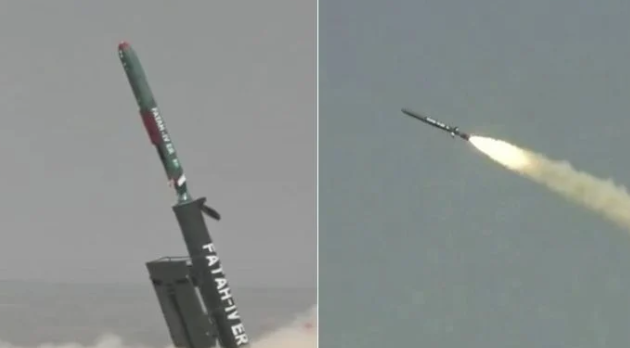

Pakistan says it carried out “well-planned and calibrated” airstrikes on alleged militant hideouts at two locations in Afghanistan under Operation Ghazab-lil-Haq. The Information Ministry said 22 militants were killed and weapons and ammunition stored at the sites were destroyed.
The ministry said the targets were identified through intelligence and included camps and safe havens allegedly linked to groups Pakistan refers to as Fitna al-Khawarij, Fitna al-Hindustan and their affiliates. It added that precautions were taken to avoid civilian casualties.
Pakistan’s Foreign Office has accused the Taliban administration of allowing militant groups to operate from Afghan territory, while Kabul has rejected such allegations. The latest strikes add to growing tensions between the two neighbouring countries.
Foreign Office spokesperson Sajjad Haider Khan said Islamabad remained committed to diplomacy but maintained that Pakistan would take measures it considered necessary to protect its citizens and national security.
He said Pakistan was still open to “friendly and cooperative relations” with Kabul, but stressed that such ties required mutual trust, understanding and respect for sovereignty.
The escalation follows a recent rise in militant violence inside Pakistan and a series of cross-border incidents. Pakistan has previously carried out strikes against alleged militant targets in Afghanistan, while Afghan authorities have disputed Islamabad’s claims and raised concerns over civilian casualties.
Despite strained relations with India, Pakistan has welcomed New Delhi’s participation in the Shanghai Cooperation Organisation (SCO) meeting held in Islamabad from September 28 to 30.
Indian SCO national coordinator Ambassador Alok Dimri attended the meeting, marking a notable Indian presence at a Pakistan-hosted SCO event.
Sajjad described the participation as a positive development and said Pakistan hoped Indian engagement would continue during its 2026-27 SCO chairmanship.
The meeting focused on preparations for upcoming SCO events and Pakistan’s priorities during its chairmanship, including regional connectivity, economic cooperation, innovation and people-to-people links.
Pakistan has also reiterated its support for dialogue and diplomacy in resolving regional disputes, including its role in efforts to facilitate engagement between the United States and Iran.