The changing global geopolitical environment is creating increasingly complex challenges for countries, as international conflicts, economic competition and shifting alliances continue to reshape the balance of power. For Pakistan, navigating this evolving landscape requires careful diplomatic decisions, strategic flexibility and a stronger domestic foundation.
Russia remains deeply engaged in its war with Ukraine, a conflict it frames around national security, strategic identity and its position in the European order. Meanwhile, European countries are facing growing security concerns over Russia, the financial and military burden of supporting Ukraine, changing relations with Washington, energy uncertainties and sluggish economic growth.
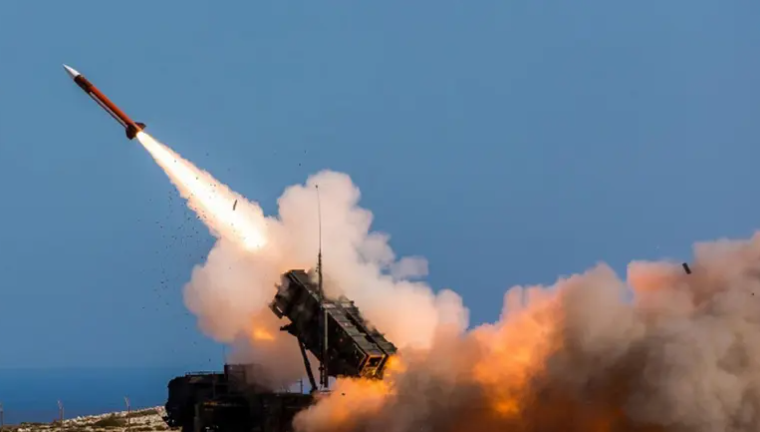
Traditional assumptions about European security are also facing increasing pressure. In the Middle East, escalating tensions involving Iran, Israel and the United States have further destabilised an already volatile region, with potential consequences extending far beyond its borders.
A prolonged crisis in the Gulf could increase global energy prices, fuel inflation, disrupt supply chains and slow economic growth across South and Southeast Asia.
Amid these developments, China has adopted a relatively cautious approach despite having significant economic interests in Middle Eastern stability and international trade. Beijing has largely avoided direct involvement in regional conflicts, although its willingness to influence the emerging global order remains uncertain.
The interconnected nature of international conflicts has made it increasingly difficult for countries to treat geopolitical crises as separate developments. The war in Ukraine affects European security and energy policies, while Middle Eastern instability has consequences for Asian economies. Similarly, strategic competition between Washington and Beijing continues to influence international trade, technology, investment and supply chains.
As a result, the central question is no longer limited to how individual conflicts will conclude, but also concerns the type of international system that will emerge from these overlapping challenges.
Different geopolitical perspectives offer varying explanations for the changing international environment.
One approach, based on offensive realism, argues that major powers seek to expand their influence and strengthen their strategic positions because they cannot rely entirely on the intentions of other states for their security.
From this perspective, current international tensions represent a redistribution of global power rather than a temporary disruption. The emerging system could feature several influential powers but remain primarily shaped by competition between the United States and China.
Russia, India, Europe and other major players would continue to influence international affairs, although Washington and Beijing could increasingly determine the direction of global politics. Such an arrangement could also lead to informal spheres of influence and greater sensitivity towards interference in strategic interests.
A second perspective suggests that the disruptions associated with US President Donald Trump’s second administration may not necessarily signal the permanent decline of the US-led international order.
Supporters of this view argue that institutions, alliances, financial networks and economic partnerships established over several decades remain resilient. A future US administration could restore traditional alliances and revive aspects of the previous international system, although the global environment would have changed significantly.
A third possibility is the emergence of a hybrid international system combining elements of bipolarity and multipolarity.
Under this arrangement, several centres of power could operate alongside an overarching strategic rivalry between the United States and China. Countries may maintain economic dependence on China, security partnerships with other states, energy relationships with Gulf countries and trade connections with Europe.
This overlapping network of partnerships could make international alliances increasingly flexible and complex.
For Pakistan, these developments raise important foreign policy questions, particularly regarding its relationship with China and the United States, its ties with Gulf countries and Iran, and its approach towards regional connectivity and relations with India.
Pakistan must avoid excessive strategic commitments that could undermine its economic and political stability. Given its financial and institutional constraints, the country should prioritise economic development, political stability, regional cooperation and sustainable growth rather than pursuing an unnecessarily ambitious role in global power politics.
However, maintaining strategic flexibility indefinitely may become increasingly difficult as international rivalries intensify. Pakistan will eventually face difficult decisions regarding its diplomatic and security priorities.
Strategic independence should not become an excuse for political indecision. Islamabad must be prepared to reject policies that undermine its national interests, support initiatives that offer long-term benefits and avoid involvement in conflicts that exceed its capabilities.
The objective should be to evaluate international partnerships according to their contribution to Pakistan’s long-term national interests rather than the preferences of external powers.
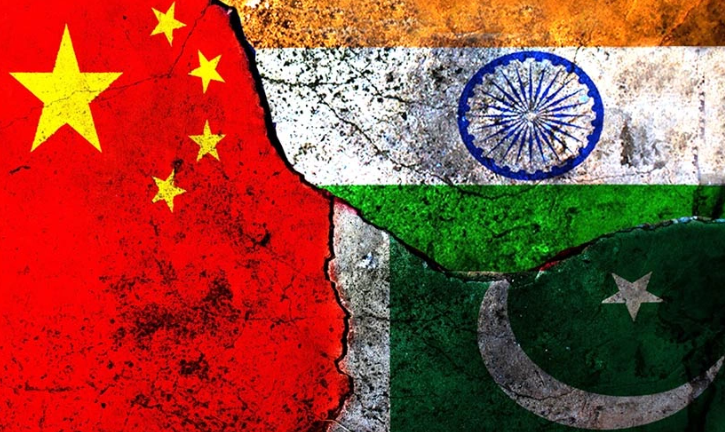
If global politics becomes increasingly dominated by US-China competition, Pakistan should avoid turning into a frontline state in their rivalry. At the same time, its longstanding strategic relationship with China will remain significant.
China is expected to continue serving as Pakistan’s principal strategic partner, while Islamabad should preserve opportunities for constructive engagement with Washington wherever mutual interests exist.
In the event of a more multipolar international system, Pakistan could gain additional diplomatic opportunities by strengthening its political and economic relationships with the United States, Russia, Europe, Gulf countries, Iran, Türkiye and Central Asian states.
However, taking advantage of a multipolar environment would require stronger economic foundations and greater institutional capacity.
Similarly, if the US-led international order regains influence following Trump’s presidency, Pakistan should avoid unnecessary confrontation with Washington while ensuring that its foreign policy does not return to excessive external dependence.
Relations with the United States should remain based on mutual interests and practical cooperation without compromising Pakistan’s longer-term strategic partnerships.
Regardless of the international system that eventually emerges, Pakistan’s immediate priorities remain closely connected to its regional environment.
China will continue to be an important strategic partner, while Central Asia offers opportunities for trade and regional connectivity. Iran and Afghanistan will remain significant to Pakistan’s western security concerns, while Gulf countries will continue to play an important role in energy supplies, investment and economic cooperation.
Relations with India will also remain a major regional consideration, requiring continued efforts to manage tensions and explore possibilities for greater stability.
However, international partnerships alone cannot compensate for domestic economic and political weaknesses.
A fragile economy limits a country’s diplomatic options and reduces its ability to respond independently to external pressures. Pakistan must therefore focus on economic growth, political stability, human development, energy security, institutional reforms, technological advancement and expansion of its productive capacity.
The country does not need to participate in every international dispute or seek a prominent role in every geopolitical competition. Recognising the situations in which involvement would be counterproductive is equally important for maintaining strategic stability.
The emerging global order could become bipolar, multipolar or develop into a modified version of the existing US-led system. Although Pakistan cannot control the direction of these changes, it can strengthen its position through economic resilience, regional integration and independent decision-making.
Ultimately, Pakistan’s ability to navigate the changing international environment will depend on its domestic strength and diplomatic judgment. Rather than attempting to align itself with every major power, the country must identify partnerships that support its national interests and avoid commitments that could undermine its stability.
The challenge for Islamabad is not simply to find a place in the emerging geopolitical order, but to build sufficient economic and strategic strength to determine its position with confidence.