Turkish lawmakers have approved the Makkah Joint Defence Agreement involving Turkiye, Pakistan and Saudi Arabia, with 279 members voting in favour and 119 opposing the measure.
A total of 398 lawmakers participated in the voting out of the parliament’s 592 members.
The legislation, formally titled the Bill on the Approval of the Makkah Joint Defence Agreement between the Republic of Turkiye, Pakistan and the Kingdom of Saudi Arabia, was passed following an extensive parliamentary debate.
During the discussion, ruling Justice and Development (AK) Party lawmaker Ziya Altunyaldiz said the agreement was aimed at strengthening regional security cooperation. He stressed that the pact was not directed against any third country and was intended to prevent conflicts rather than escalate tensions.
However, opposition lawmakers expressed concerns regarding the agreement’s scope and oversight mechanisms. Mehmet Guzelmansur of the Republican People’s Party called for clear provisions to ensure that the pact remained consistent with Turkiye’s other international commitments.
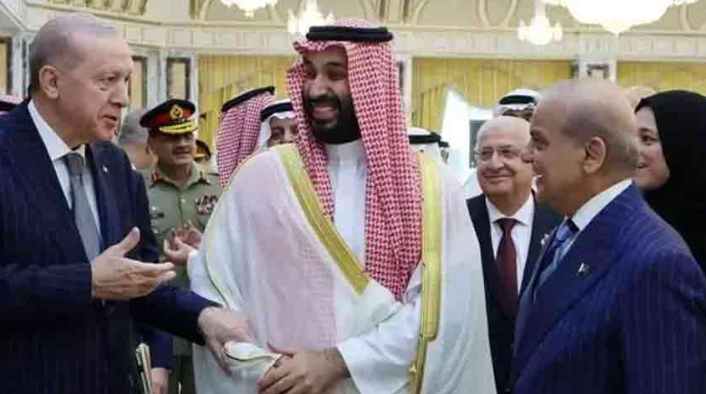
Turkiye, Pakistan and Saudi Arabia signed the Makkah Joint Defence Agreement during a trilateral summit in Makkah on August 7, committing to enhance collective security, strengthen defence cooperation and promote regional and international peace and stability.
Under the agreement, the three countries have established a framework for collective assistance if any member faces external armed aggression. The nature and extent of the response will be determined jointly, depending on the circumstances.
Last month, Pakistan’s Foreign Office announced that Islamabad and Riyadh had completed their respective ratification procedures, while Turkiye was finalising the required legal formalities under its domestic framework.
Foreign Office spokesperson Sajjad Haider Khan said Pakistan and Saudi Arabia had already completed the ratification process, while Turkiye was undertaking the necessary procedures in accordance with its national laws.
Progress towards implementing the agreement followed an October 5 meeting of the alliance’s Strategic, Political and Defence Committee in Riyadh.
During the meeting, the participating countries called for the prompt implementation of their collective defence commitments and the deployment of previously agreed military forces and capabilities in Saudi Arabia, subject to the domestic legal requirements of each member state.