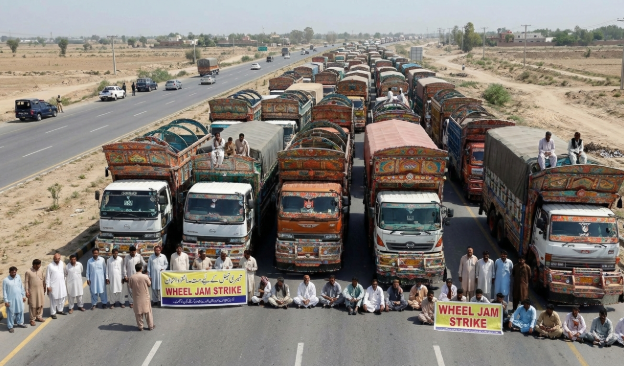
The ongoing standoff between transporters and authorities has left thousands of passengers struggling to find affordable alternative transport as the Attock-Rawalpindi bus strike entered its second day.
With public transport services suspended, commuters have been forced to wait for hours in the heat or pay significantly higher fares for the limited private transport available.
The strike began after traffic police intensified a crackdown on public service vehicles using LPG cylinders. While authorities have cited passenger safety and regulatory compliance, commuters said they were bearing the brunt of the dispute.
Women and elderly passengers were particularly affected by long waiting times and the lack of adequate alternative transport.
Commuters warned that a prolonged suspension of services could disrupt education, employment and other essential travel for thousands of people who rely on the Attock-Rawalpindi transport network.
People travelling to Rawalpindi on a daily basis also complained of increased travel costs and delays.
“This is our second day of suffering. We have to reach our workplaces and educational institutions every morning, but there is no reliable transport,” said private-sector employee Faizan Ahmed.
Students said the disruption was affecting their attendance and studies, while workers commuting to Rawalpindi said they risked reaching workplaces late or losing a day’s wages.
“We cannot afford taxis and hired transport every day. The authorities should resolve the issue instead of leaving ordinary passengers stranded,” said a student at an Islamabad-based university.
Passengers acknowledged the need for enforcement of safety regulations but called for a practical solution that would ensure compliance without disrupting public transport.
They urged the district administration to bring transporters and traffic authorities to the negotiating table and resolve the deadlock.
Transporters, meanwhile, said rising operating costs had made it difficult to run vehicles on petrol, particularly with CNG stations closed and petrol prices at their highest level in a decade.
They argued that LPG was the only viable fuel option for many passenger vehicles and questioned how they could resume services if their vehicles were seized.
Regional Transport Authority Secretary Zaheer Ahmed said the crackdown on passenger vehicles using LPG had been carried out on the provincial government’s instructions.
He said around 20 vehicles operating on various inter-district routes had been impounded for legal action.
The official added that the authorities would not give in to what he described as pressure tactics by the transporters.