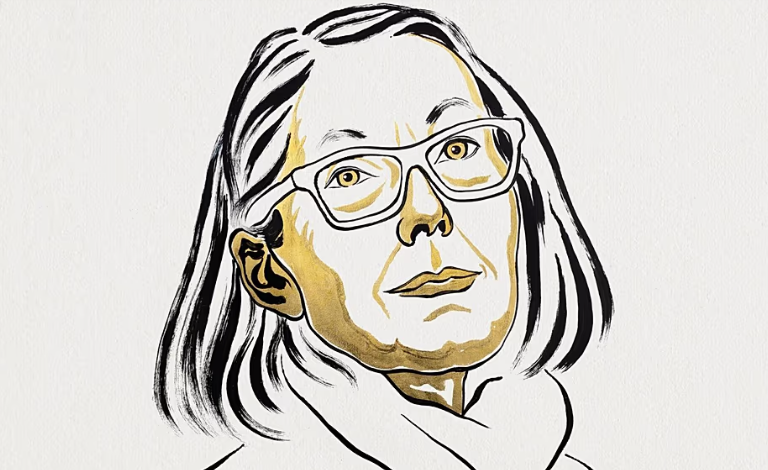
Canadian poet and essayist Anne Carson has won the 2026 Nobel Prize in Literature, awarded by the Swedish Academy. The prize carries a monetary award of 12 million Swedish crowns, equivalent to around $1.2 million.
Carson is known for combining poetry, prose, dialogue and translation in a distinctive style that crosses traditional literary genres. Her work has been strongly influenced by classical Greek literature, which she has also translated extensively.
Her diverse body of work includes opera librettos, literary criticism and verse novels. Among her best-known works is Autobiography of Red, published in 1998.
Her genre-blending approach is also evident in Norma Jeane Baker of Troy, a 2019 performance work that brings together the story of Helen of Troy from Euripides’ Helen with the life and image of Marilyn Monroe.
Carson joins a distinguished list of Nobel laureates in literature that includes writers such as Alexander Solzhenitsyn, Alice Munro and Ernest Hemingway.
The literature prize has frequently generated debate over the Swedish Academy’s selections. Critics have questioned why major literary figures including Leo Tolstoy, Virginia Woolf and Jorge Luis Borges were never awarded the honour. The Academy has also faced criticism over its choices of American writers, although it awarded the prize to US singer-songwriter Bob Dylan in 2016.
Supporters of the Academy argue that the Nobel Prize has also recognised widely acclaimed authors, including Colombian writer Gabriel Garcia Marquez in 1982 and Doris Lessing in 2007. They say the award also aims to draw attention to less familiar literary traditions and encourage readers to explore works beyond established literary circles.
The Nobel Prizes were established through the will of Swedish inventor and businessman Alfred Nobel. The awards for achievements in literature, science and peace have been presented since 1901.
The 2025 Nobel Prize in Literature was awarded to Hungarian writer Laszlo Krasznahorkai, who has been described by American critic Susan Sontag as the “master of the apocalypse.”