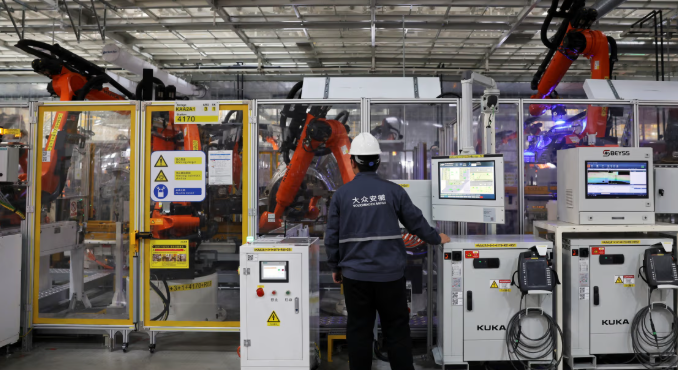
The strongest growth was recorded in the automobiles and transport sector, which expanded by 61.6 per cent. Passenger-car production increased by more than 51pc, while truck sales rose by 87.8pc. Growth in electric vehicles also contributed to the sector’s recovery.
Rubber products, supported by demand from automobile manufacturers and the domestic replacement market, grew by 14.3pc.
Electrical equipment production increased by 11.9pc, driven by higher demand for construction and industrial power equipment. Tobacco output rose by 11.7pc, while coke and petroleum products recorded 10.9pc growth, supported by increased domestic consumption of petrol and high-speed diesel.
The food and beverages sector also contributed to overall manufacturing growth. Food production increased by 9.8pc, mainly due to higher output of wheat and rice milling products and cooking oil. Beverage production rose by 7.7pc.
Non-metallic mineral production grew by 8.2pc, with cement output increasing by 9.1pc amid a recovery in construction activity.
Apparel and garments also recorded stronger performance as export orders began to recover. Basic textile production, however, grew by only around 0.7pc. Furniture production increased by 20.5pc, while leather and fabricated metal products also posted growth.
Several economic factors supported the manufacturing recovery. Monetary easing reduced financing pressures, improved foreign exchange availability facilitated imports of raw materials, and inflationary pressures eased compared with previous fiscal years. These conditions allowed manufacturers to increase production and respond to improving domestic and external demand.
However, the recovery remained uneven, with six manufacturing groups recording contractions. Industries continued to face high input costs, fluctuations in raw-material availability, export-related challenges and changes in domestic policies.
The pharmaceutical sector recorded one of the most significant declines. The industry continued to face pressure from the effects of price deregulation, regulatory challenges and the high cost of imported active pharmaceutical ingredients.
Iron and steel production also contracted. Lower public-sector infrastructure spending during the earlier part of the fiscal year, combined with high financing and energy costs, continued to affect local steel re-rolling mills.
Fertiliser production declined by around 1.99pc, mainly due to disruptions in gas supplies and seasonal changes in demand.
Within the automobile sector, tractors were the only major sub-segment to record a decline. Production fell by around 8pc and sales by approximately 13pc, reflecting slower growth in agricultural credit and the withdrawal or reduction of tractor subsidies in some areas.
The textile sector also showed mixed performance. Finished garments benefited from a recovery in export orders, while basic textile industries producing cotton yarn and grey cloth remained largely stagnant or recorded slight declines. High electricity tariffs and strong competition from regional exporters continued to weigh on these industries.
The headline 6.5pc growth in large-scale manufacturing therefore requires a closer look. The significant increases in automobile and food production point to an improvement in domestic demand. Passenger-car production rose by more than 51pc, truck sales by 87.8pc and food production by 9.8pc.
These trends indicate that households, businesses and other domestic consumers may have regained some purchasing power following a prolonged period of economic weakness.
The performance may also reflect the resilience of Pakistan’s informal economy. A significant share of economic activity takes place outside the formal corporate sector and is therefore not fully reflected in conventional measures of income, employment and tax collection. Higher consumption could consequently indicate stronger purchasing power than formal-sector indicators alone suggest.
However, the outlook is less positive for several industries that recorded contractions. Pharmaceuticals, chemicals, iron and steel, fertilisers and basic textiles play important roles in the domestic industrial supply chain and, in several cases, contribute directly or indirectly to exports.
Their weaker output could indicate that the recovery in external demand has not yet gained sufficient momentum.
Domestic consumption can support manufacturing in the short term, but sustained industrial growth requires both strong domestic demand and competitive export markets. If domestically focused sectors continue to expand while export-oriented industries remain weak, the overall recovery could prove narrower than the headline LSM growth figure indicates.
The latest data therefore present a mixed picture. Domestic demand appears to be recovering, potentially supported by the resilience of the informal economy, while weakness in several export-linked industries suggests that Pakistan has yet to fully restore its competitiveness in international markets.
The coming months will be important for the manufacturing sector. Continued policy support, lower production costs, reliable energy supplies, regulatory stability and stronger investment could help sustain the recovery. Without these improvements, the recent gains could prove temporary.