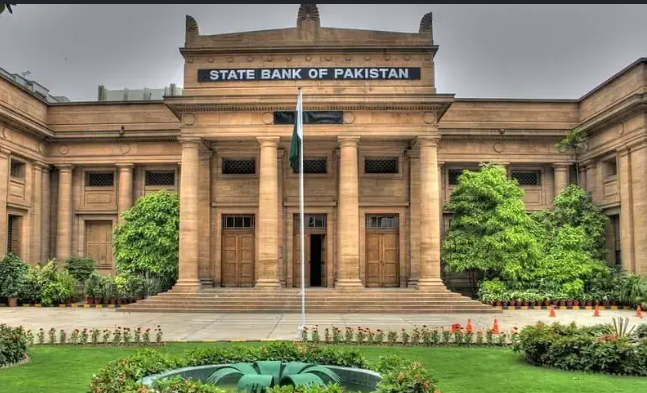
Rising inflation in 2026-27, coupled with a global shift towards higher interest rates, has put the State Bank of Pakistan (SBP) under pressure as it prepares to announce its monetary policy decision on Monday.
The central bank’s policy rate currently stands at 11.5 per cent, a level that trade and industry representatives consider high compared with rates in competing markets.
While most bankers expect the SBP to maintain the current rate, some analysts anticipate a 50-basis-point increase at the upcoming Monetary Policy Committee meeting.
The SBP raised its policy rate by 100 basis points to 11.5pc on April 27, citing rising global energy prices and risks to supply chains.
The expansion of conflict in the Gulf and into the Red Sea has further complicated the economic outlook, with crude oil prices rising above $100 a barrel as attacks have disrupted shipping routes.
Analysts said the central bank faces a difficult policy choice as it weighs the need to contain inflation against the potential impact of tighter monetary conditions on economic activity.
Inflation returned to double digits in August, reaching 11.1pc after declining to 9.2pc in July.
A senior banker said the SBP would need to consider longer-term economic conditions and could opt for a modest rate increase to contain inflationary pressures.
Tresmark CEO Faisal Mamsa said Pakistan’s interest-rate outlook could increasingly be influenced by inflation and monetary conditions in major global economies rather than domestic price pressures alone.
He pointed to rising Brent crude prices, higher global bond yields, elevated US inflation and a recent interest-rate increase by the European Central Bank as factors that could influence Pakistan’s monetary policy.
“None of these problems started in Pakistan, but the SBP may increasingly have to respond to them,” he said.
A Tresmark poll conducted among institutional traders on Wednesday showed that 20pc expected a 50-basis-point rate hike at Monday’s MPC meeting.
Mamsa said maintaining the status quo remained the most likely outcome, despite growing pressure for higher rates.
Bloomberg Economics and BMI have also projected no change in the policy rate on Monday, while warning that upward pressure on interest rates could increase in the coming months.