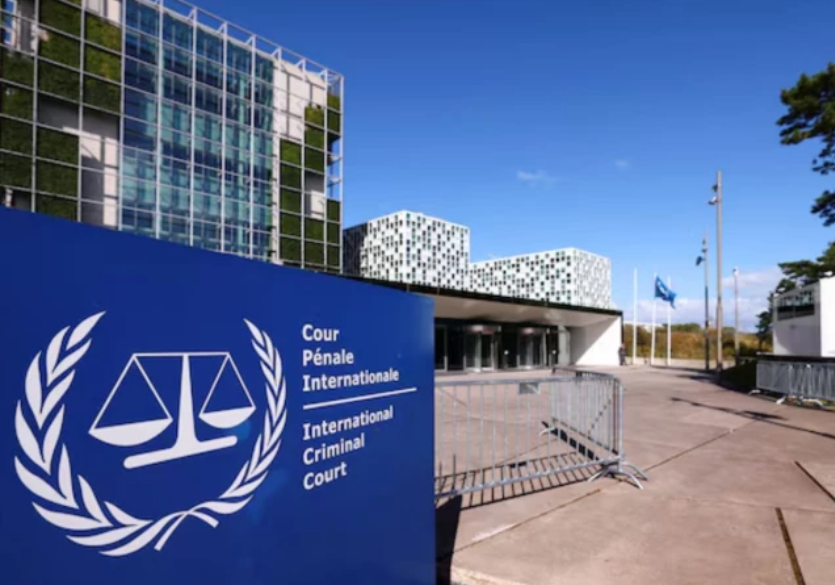
The International Criminal Court (ICC) has condemned US sanctions against the tribunal, describing the move as an attack on the rule of law and the foundations of the international legal system. It has urged its 125 member states to take action to protect the institution.
In a statement, the court said the sanctions amounted to an “assault on the rule of law and on the very foundations of the international legal order”, warning that its future depended partly on the support of the countries that established it.
“The Court cannot stand alone. Its fate now rests also in the hands of the states that created it,” the statement said, stressing the importance of preserving an international system based on the rule of law.
The ICC reaffirmed its commitment to carrying out its mandate independently and impartially, based on legal principles and evidence, to secure justice for victims of serious crimes.
The US decision has triggered widespread condemnation from governments, human rights organisations and international institutions, including the United Nations.
UN Secretary-General Antonio Guterres condemned the US announcement, emphasising that accountability for international crimes and justice for victims were central to global efforts to promote peace, security, human rights and fundamental freedoms.
He also reiterated his strong support for the independence of the ICC and its officials.
Foreign ministers from Canada, Denmark, Germany, France, Italy, Japan, the Netherlands and the United Kingdom jointly opposed the sanctions, expressing regret and disagreement with Washington’s decision.
The ministers also welcomed the ICC’s preparations to ensure it could continue fulfilling its responsibilities under the Rome Statute and reaffirmed their support for the court’s work.
Japan separately issued a statement backing the tribunal, while Belgium condemned the sanctions and stressed that the ICC must be allowed to operate independently. Belgium also called for the European Union to activate its Blocking Statute to shield the court from the effects of the US measures.
Human rights advocates warned that the sanctions could undermine efforts to secure justice for victims of alleged abuses in Palestine, Ukraine, Myanmar and Sudan. They described the move as a serious threat to international justice and the rule of law.
European Union foreign policy chief Kaja Kallas described the ICC as a cornerstone of the international criminal justice system.
Kallas said she had spoken with ICC President Tomoko Akane following Washington’s announcement, adding that the six-month period before the sanctions take effect provided an opportunity for dialogue.
“The EU has always supported the Court, and the EU has options to ensure that it can continue its vital work,” she said, reaffirming that protecting the tribunal remained a priority for the bloc.
The United Kingdom also condemned the sanctions. Its Secretary of State for Foreign, Commonwealth and Development Affairs said London stood alongside the ICC and its international partners in opposing the measures.
The UK official stressed that the court must be allowed to continue its work of holding those responsible for the most serious international crimes accountable.
Amnesty International Secretary General Agnes Callamard criticised the US decision, describing it as a betrayal of the principles of international criminal law.
In a post on X, Callamard urged European governments to introduce immediate blocking measures to prevent the sanctions from being enforced within European territory.
The US Treasury announced the sanctions with an initial six-month grace period and exemptions for certain transactions, including telecommunications, software, pension payments and matters involving detainees.
US Secretary of State Marco Rubio said the measures had been designed to give the court and its member states time to address Washington’s concerns. He added that the sanctions could be adjusted if those concerns were not addressed.
Washington has repeatedly criticised the ICC over arrest warrants issued for Israeli officials, including Prime Minister Benjamin Netanyahu, as well as the court’s investigation into alleged crimes involving US personnel in Afghanistan.
The ICC has said its Afghanistan investigation has been deprioritised, while the dispute over the tribunal’s jurisdiction and actions continues to strain its relations with the United States.
The sanctions have renewed international debate over the ICC’s independence, the enforcement of international criminal law and the role of member states in protecting institutions tasked with pursuing accountability for serious crimes.