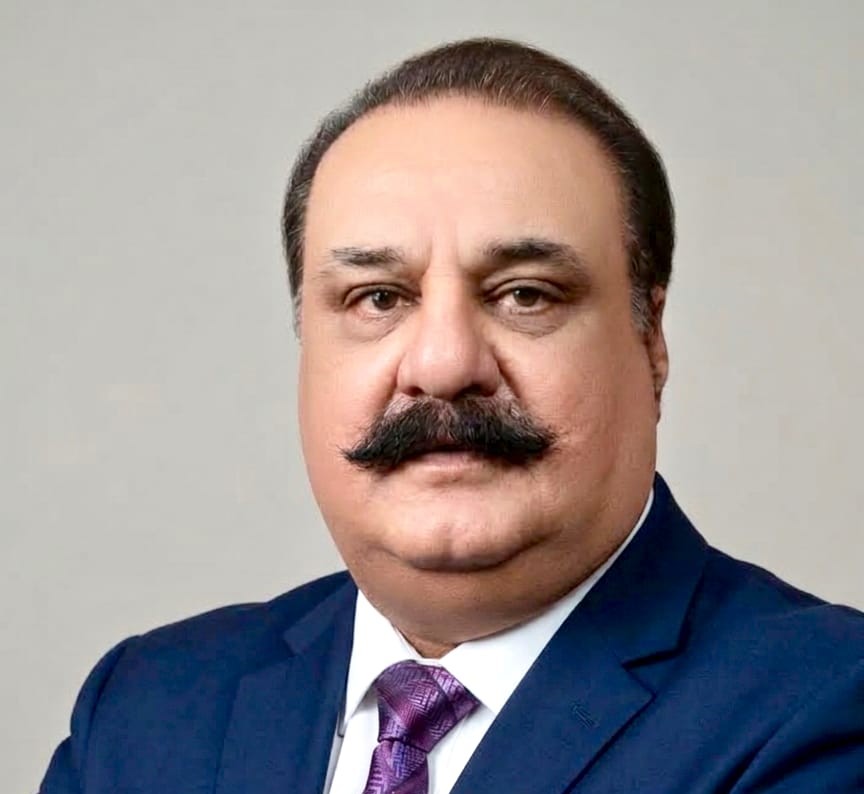
By: Naeem Masood
Beyond any doubt, social capital is related to innovation and sustainable development. The philosopher Diogenes says that the education of the youth is the foundation of the state. Thus mutual trust, collaboration, coordination and strategic networking can lead a nation to new levels of economic growth and human capital development. Pakistan if it takes in consideration its youth with a specific and needed framework of opportunities, the state will see their wonderful abilities and transform them into splendid national achievements through specific planning and confident implementation. Worldwide views, Pakistan’s attractive youth ratio with admiration, the central problem is the transformation of this potential into economic capital. According to surveys, the high youth ratio is also indicated in Nigeria, Uganda, Angola, Mali, Chad – but they lack the biotic and abiotic factors as compared to Pakistan. So, Pakistan’s unique socio economic milieu differentiates it from the above-mentioned countries. Comparatively, Pakistan has rich agriculture, numerous industrial potentials, impressive institutional framework, better higher education, IT and energy as compared to Nigeria and Uganda etc. Pakistan has a fertility and talented manpower. International organizations like World Economic Forum & United Nations have undertaken numerous surveys on selected African countries to identify the pattern of education, health, employment and migration trends. 85% of the world’s young people live in developing countries, 60% in Asia and 23% in Latin America, Africa and the Caribbean. They realized these demographic tendencies and accordingly the UN predicted that the percentage of youth in developing countries would account for 89.5%, thus emphasizing the necessity to do some serious research and formulate policies focusing on the needs of the young people. In demographic terms, the UN defines “youth” as the population of 15-24 years, whereas a child means a person below 14 years of age as per resolution 36/28 dated 1985. On the contrary, article 1 of the UN convention on the rights of the child extends the age of a child up to 18 years for enhanced legal protection. The world’s population comprises of about 1 billion young people. Youth represents 18% of the world’s population, meaning one out of every five individuals whereas 19.8% are children. Data illustrate that between 1980 and 1995, the proportion of youth in the world declined, since the annual growth of the young population was negative in most of the regions, with the exception of Africa, where the growth was positive during the 1990s. In global village, globalization provides a platform for healthy competition as well as opportunities for thriving. Pakistan, for instance, can strategize to make brain gain from brain drain. Having a big chunk of youth than the neighbors India and China, which if properly harnessed could offer demographic dividend to the country. A synergized linkage between Prime Minister’s Youth program, NAVTTC, TEVTA, Pakistan Science Foundation, Ministry of Commerce and Industry and Higher Education Commission can offer a new face of entrepreneurship, skill formation and research to the country, which in turn can give impetus to industrialization, internationalization and exports. Moreover, the regulatory bodies like Nursing Council, Pharmacy Council, Technology council, Engineering Council and PMDC need to revise their policies and update their data so that they are on par with the international standards and national needs. The Ministry of foreign affairs, national think tanks and Chambers of commerce in Pakistan should collabroate with the Chairman Prime Minister’s Youth Program, Rana Mashhood Ahmad Khan to catapult the establishment of business incubation centers in the universities of all provinces including AJK & GB. The global trends show the potential of investment in this regard. The Global Youth Development Index (GYDI), World Bank Human Capital Index and Youth Program Index (YPI) illustrate how different countries have invested in youth development to harness their human capital for economic growth between 2020 and 2025. For instance, the youth guarantee in Denmark and Finland has enhanced their human capital, whereas Singapore ranked first on the World Bank’s Human Capital Index. In Eastern Europe, the Republic of Estonia is also making great strides by creating an E-residency and startup visa to attract global talents and build a digital hub. In Africa, Rwanda is making tremendous progress through its youth connect program endorsed by the UNDP as a model for other countries to follow. In the Middle East, the Kingdom of Saudi Arabia’s Misk Foundation and Vision 2030 have changed the narrative around youth development in the country. The Misk Foundation, which is also known as MISC Saudi, is a public charitable institution that was established in 2011 by Mohammed bin Salman bin Abdulaziz Al Saud, the Crown Prince of Saudi Arabia. Misk Foundation works to empower young people by providing them with the skills and knowledge they need to build successful careers. There are three main pillars of the Misk Foundation: education and leadership, innovation and technology, and culture and creative industries. The foundation offers various programs and services, such as scholarships, training, and leadership development opportunities, to support young people in different fields. By investing in education and leadership, the Misk Foundation helps young people acquire the skills and competencies needed to become effective leaders and managers. It also promotes youth voice by encouraging them to participate in decision-making processes and take part in community development initiatives. In addition to education and leadership, the Misk Foundation focuses on innovation and technology. It provides young people with the resources and support they need to develop their ideas and start their own businesses. This includes access to funding, incubators, and accelerators, as well as training and mentorship programs. By promoting innovation and technology, the Misk Foundation helps young people contribute to economic growth and job creation. Finally, the Misk Foundation invests in culture and creative industries to promote cultural heritage and artistic expression. It supports young people in pursuing careers in the arts and entertainment industries and helps them showcase their talents to a wider audience. This not only enriches the cultural landscape of Saudi Arabia but also creates new economic opportunities for young people. All in all, the Misk Foundation is a great example of how public-private partnerships can be leveraged to invest in youth human capital and drive national development. Karl Marx said “Capital itself is inherently a social relationship, not just an object.” and “Aristotle:”Good habits formed at youth make all the difference.” The moral associations of the young people form the ‘social capital’ or virtue without which republics are impossible.