
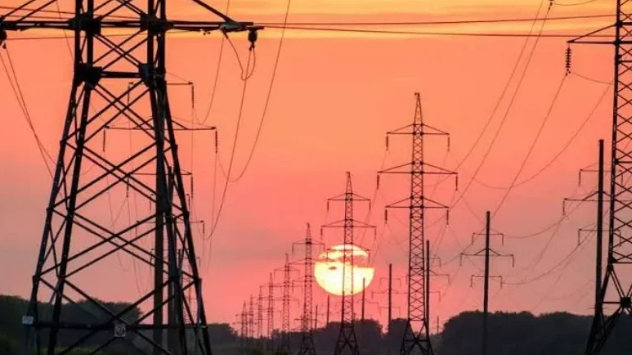
The government has opened bidding for the first 400MW power wheeling auction as part of efforts to shift Pakistan’s electricity sector from a single-buyer model towards a competitive market.
The request for proposals has been issued for transactions under the Competitive Trading Bilateral Contract Market (CTBCM), with the deadline for submission set for November 20, 2026.
Under the new mechanism, industrial and large commercial consumers will be able to purchase electricity directly from power producers through competitive arrangements.
The government plans to auction a total of 800MW of electricity over five years, with 400MW being offered in the first phase. Each participant will be limited to a maximum cumulative allocation of 160MW, equivalent to a 20 per cent share of the total wheeling capacity.
Participants may develop or procure a single generation facility of up to 160MW or use multiple plants across successive annual auctions, provided their combined allocation remains within the 160MW limit over the five-year period.
The government plans to gradually withdraw from traditional electricity procurement and allow generators and consumers to enter into direct power purchase agreements.
The competitive system will initially focus on industrial and large consumers using more than one megawatt of electricity. Authorities expect the market to expand gradually, giving consumers greater choice in selecting electricity suppliers.
The shift is also intended to increase transparency and competition in electricity trading while reducing reliance on centralised power procurement and sales arrangements.
Officials expect competitive electricity pricing to support industrial competitiveness and help boost exports by lowering energy-related costs.
The development follows conditional approval of the Indicative Generation Capacity Expansion Plan for 2025-35. The plan envisages adding 26,045MW of generation capacity, including 17,485MW already committed and 8,560MW optimised, while 2,577MW of existing capacity is expected to be retired.
Total installed generation capacity is projected to reach 62,657MW, including 8,120MW of net-metering capacity. The estimated cost of the additional generation capacity stands at around $47.08 billion.
Transmission projects already under way or committed are expected to require approximately $4.6 billion, while proposed transmission expansion projects could require another $6.05 billion, bringing the total estimated transmission investment requirement to about $10.65 billion over the planning period.