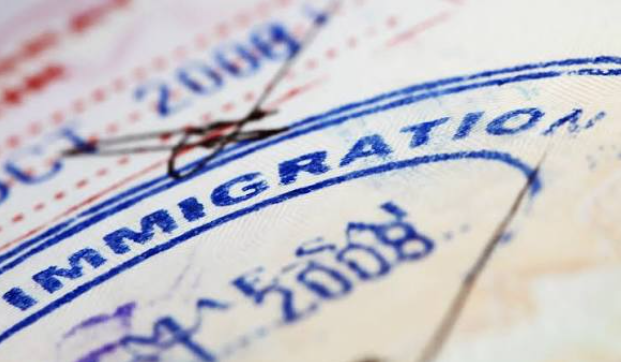
Major changes to the US immigration system have taken effect with the start of the new federal fiscal year, bringing tighter scrutiny for some visa applicants and non-citizens while also reopening certain employment-based green card categories.
The changes affect green card applicants, existing visa holders, some non-citizens receiving government-funded health coverage and people applying for specific US visa categories.
The US State Department said more than 250,000 visas had been revoked over alleged violations including breaches of visa conditions, criminal activity, fraud, misuse of the immigration system and national security concerns.
Around 2,300 visas were cancelled in cases involving so-called birth tourism, where foreign nationals travel to the United States to give birth.
State Department spokesperson Tommy Pigott said visa decisions were closely linked to national security and described the revocations as part of an expanded screening and vetting process.
The department has also cancelled the visas of 27 current or former officials and their family members from Bolivia, Colombia, Ecuador and Peru over alleged corruption-related issues.
Meanwhile, the US administration has been preparing to revoke the B1 and B2 business and tourist visas of up to 200,000 foreign nationals who entered the country on those visas and later sought asylum.
Deputy Secretary of State Christopher Landau criticised what he called unfounded asylum applications, arguing that the asylum system was designed to protect people facing persecution rather than provide an alternative route around immigration restrictions.
US officials say the high volume of asylum applications has contributed to a significant backlog, leaving some cases unresolved for years.
The latest visa measures follow a major round of cancellations in August, when the State Department reported revoking more than 175,000 visas. Officials attributed many of those cases to encounters with law enforcement involving offences such as assault, driving under the influence, theft and drug-related crimes. Other cited violations included reckless driving, sexual assault, child abuse, fraud and embezzlement.
For immigrants seeking permanent residency, the October 2026 Visa Bulletin is among the key developments.
The monthly bulletin sets the dates used to determine when many family-sponsored and employment-based green card applicants can move forward with their cases. It includes separate charts for Final Action Dates and Dates for Filing, while applicants adjusting their status within the US must also follow guidance from US Citizenship and Immigration Services.
The beginning of the new fiscal year on October 1 also resets annual employment-based immigration quotas.
The State Department said some employment-based categories had moved forward in the new fiscal year, while certain categories for applicants from countries without special per-country restrictions had also moved backward.
Indian applicants are closely watching the latest changes. Under the October bulletin, the final-action date for Indian applicants in the EB-1 category is February 1, 2023, while the dates for EB-2 and EB-3 are November 1, 2013 and January 1, 2014, respectively.
The State Department had reached its fiscal 2026 limit for Indian EB-2 applicants in May. The annual allocation was reset on October 1, allowing eligible applicants to receive visas under the new fiscal-year quota.
The US State Department is also expanding social-media screening for certain nonimmigrant visa applicants from October 1.
The additional categories include foreign media representatives applying for I visas, as well as Canadian and Mexican professionals and their dependants seeking TN and TD classifications.
Applicants in these categories are required to make their social-media profiles available for review as part of the screening process.
The State Department says information from publicly available sources can be considered when assessing visa eligibility and potential national security or public safety concerns.
Other changes linked to the new fiscal year involve access to government health programmes.
Some non-citizens receiving Medicaid or the Children’s Health Insurance Programme (CHIP) may face stricter eligibility requirements, which could affect their continued coverage.
The impact of the latest immigration measures will vary depending on an individual’s visa category, immigration status, country of chargeability and priority date.
Overall, the changes introduce stricter screening and enforcement measures for some foreign nationals while simultaneously allowing certain employment-based green card categories to reopen or advance with the start of the new fiscal year.