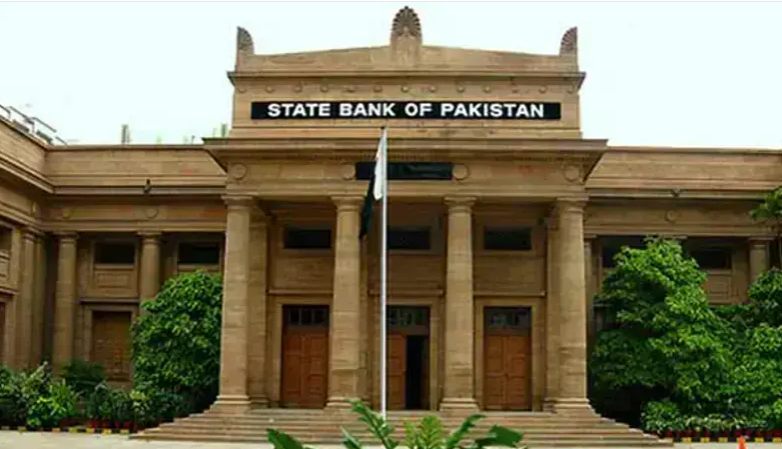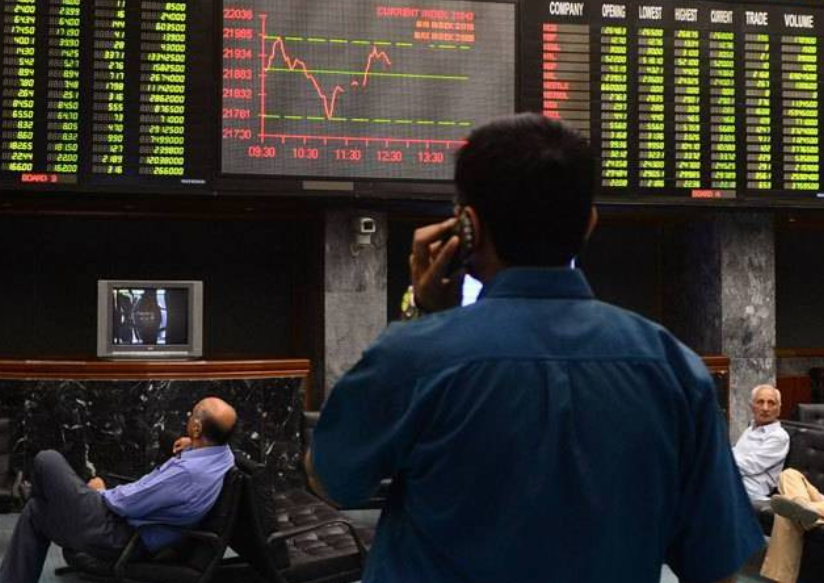
Pakistan’s total liquid foreign exchange reserves rose to $26.8 billion during the week, supported by a $39 million increase in the foreign reserves held by the State Bank of Pakistan (SBP), which reached $21.4 billion.
Commercial banks held net foreign reserves of around $5.3 billion, taking the country’s overall liquid reserves to the reported level.
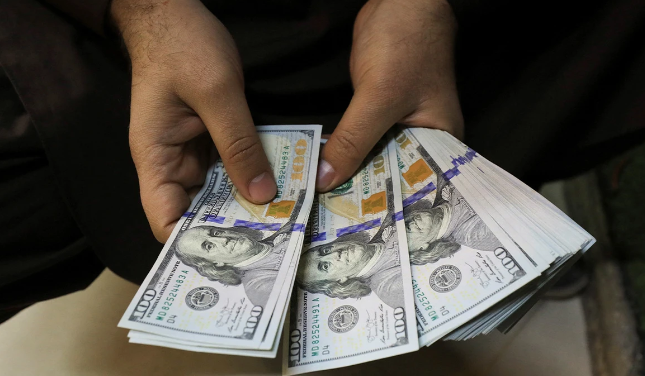
Meanwhile, the Pakistani rupee posted a marginal improvement against the US dollar, closing at Rs277.10 compared with Rs277.11 in the previous session. The local currency gained just one paisa.
In international markets, the US dollar remained close to a two-month high, supported by higher US Treasury yields. Global investors continued to monitor inflationary pressures associated with the ongoing conflict in the Middle East.
Gold prices in Pakistan declined on Thursday, with the price of one tola falling Rs3,000 to Rs438,636, according to rates issued by the All-Pakistan Gems and Jewellers Sarafa Association.
The price of 10 grams of gold also dropped by Rs2,572 to Rs376,059. The precious metal had gained Rs4,300 per tola in the domestic market a day earlier.
Internationally, spot gold remained largely stable as competing market factors kept prices in check. A stronger US dollar and elevated Treasury yields weighed on bullion, while softer-than-expected US inflation data provided some support by reducing expectations of an interest-rate increase by the Federal Reserve in October.
Spot gold was up 0.1% at $4,159.11 per ounce, while US gold futures for December delivery gained 0.1% to $4,189.30.
Despite the modest recovery, international gold prices recorded a decline of more than 6% during September.
Silver prices also moved lower in Pakistan, falling Rs50 per tola to Rs6,528.
Gold has continued to trade above the $4,000-per-ounce mark despite elevated US Treasury yields, reflecting sustained demand for the safe-haven asset. However, the traditional relationship between bullion prices, interest rates and the US dollar has become less consistent in recent years.
Since gold does not generate regular income, higher real yields generally make interest-bearing assets more attractive and can weigh on demand for bullion. Movements in US interest rates and the dollar have historically been among the key factors influencing international gold prices.