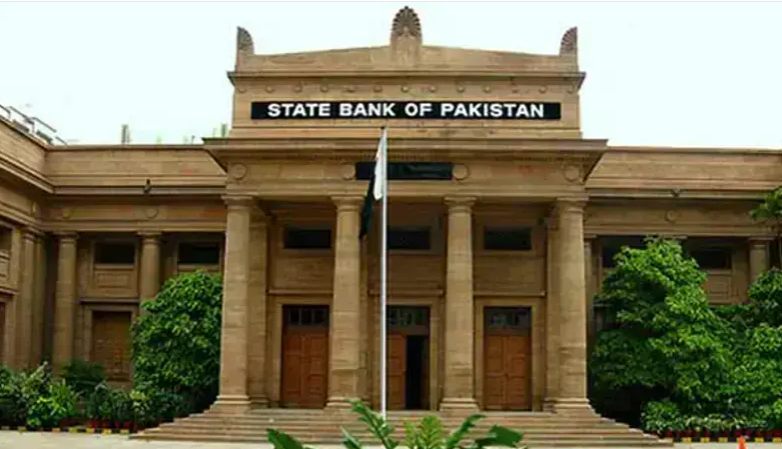
Investors from Gulf countries, particularly the United Arab Emirates (UAE), have increased their exposure to Pakistan Investment Bonds (PIBs), with $129.8 million invested in long-term government securities during the first 25 days of September, according to State Bank of Pakistan data.
The UAE accounted for the bulk of the investment, putting $110 million into PIBs and another $5 million into treasury bills during September. Bahrain invested $10m in PIBs and $14m in treasury bills over the same period.
Foreign investment in Pakistan has remained limited amid political uncertainty, weak domestic investment and subdued economic growth. However, financial experts believe changing regional and geopolitical conditions could encourage Gulf investors to explore alternative investment opportunities.
Gulf economies have faced disruptions to oil trade amid heightened tensions in the region, while concerns over US-Iran relations and broader US ties with Gulf states have added to uncertainty surrounding international investments.
Experts noted that Gulf countries have significant investments in the United States, particularly in the technology sector, but recent geopolitical developments could influence decisions about where to allocate their funds. However, they stressed that Pakistan’s bond inflows remain small compared with the investment capacity of Gulf economies.
During the first quarter of FY27, from July 1 to September 25, total foreign investment in PIBs reached $203.7m, while outflows stood at $115m. Investment in treasury bills amounted to $161m against outflows of $171m.
Money market expert S.S. Iqbal said much of the maturing investment was being reinvested in domestic government bonds, along with a relatively small additional amount. He described the trend as a positive sign that Pakistani bonds could offer an investment opportunity for Gulf investors.
Iqbal said the government should take measures to make domestic bonds more attractive to Gulf-based investors. He also stressed the need for Pakistan to build its foreign exchange reserves more rapidly to strengthen investor confidence and provide greater assurance regarding the safety of investments.
The government is also seeking to encourage investment in longer-term PIBs to reduce the pressure of frequent repayments. Greater participation from foreign investors, including overseas Pakistanis, could help the government expand its bond sales.
Overseas Pakistanis are eligible to invest in PIBs, while remittances are projected to reach around $44bn in FY27. However, some overseas Pakistanis continue to keep their savings in foreign banks due to concerns arising from the freezing of foreign currency deposits in Pakistani banks in 1998 following the country’s nuclear tests and subsequent international sanctions.