Pakistan’s short-term inflation continued to put pressure on household budgets, with the Sensitive Price Index (SPI) increasing by 0.57% week-on-week, reflecting rising prices of essential food and non-food items.
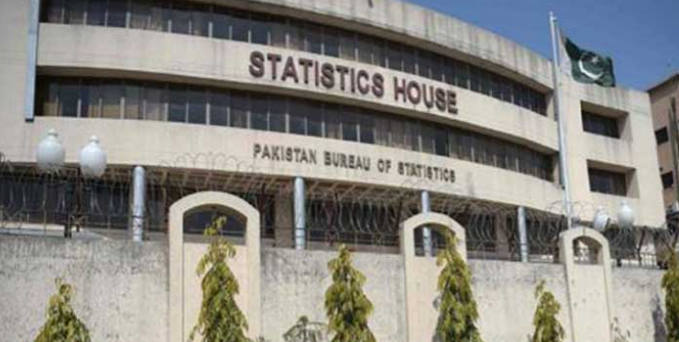
According to data released by the Pakistan Bureau of Statistics (PBS), prices of 20 out of 51 essential commodities monitored during the week increased, accounting for 39.22% of the basket. Prices of six items, or 11.76%, declined, while the remaining 25 commodities, representing 49.02%, recorded no change.
Short-term inflation has remained in double digits for several consecutive weeks, largely driven by persistent increases in petroleum prices.
The government has continued to raise petrol and diesel prices while maintaining the petroleum levy, adding to inflationary pressures across the economy. Higher energy costs have increased transportation and production expenses, contributing to rising prices of goods and services.
Tax analysts say higher prices can also boost government sales tax revenues, as taxes are collected on the increased value of goods and services.
Meanwhile, rising transportation costs have affected the prices of essential food commodities, including onions, tomatoes and other vegetables, further straining household budgets.
Planning Minister Ahsan Iqbal expressed concern over rising prices of essential commodities, particularly wheat flour, during a meeting of the National Price Monitoring Committee (NPMC) on Thursday.
He directed provincial and district administrations to strengthen market surveillance and ensure effective monitoring of commodity supplies, market arrivals, hoarding, profiteering and unjustified price increases.
The latest trend reflects cost-push inflation, in which higher energy and transportation expenses raise the overall cost of producing and distributing goods. These increases ultimately place additional financial pressure on consumers.
The weekly data showed that wheat flour recorded the highest increase among the listed commodities, rising by 5.69%. Chicken prices increased by 4.93%, while pulse gram became 3.99% more expensive.
Petrol and tomatoes each recorded a 2.40% increase, followed by pulse masoor at 1.29% and prepared tea at 1.08%.
Prices of cooked daal rose by 0.98%, pulse mash increased by 0.91%, and liquefied petroleum gas (LPG) became 0.57% more expensive.
In contrast, banana prices declined by 2.81% during the week. Diesel prices fell by 1.37%, potatoes decreased by 0.89%, and sugar prices dropped by 0.37%.
Gur prices declined by 0.19%, while pulse moong recorded a marginal decrease of 0.03%.
On a year-on-year basis, onions recorded the steepest price increase at 100.24%, followed by LPG at 68.55% and electricity charges for the first quarter at 58.59%.
Petrol prices rose by 47.52% annually, while diesel increased by 42.52%. Wheat flour recorded a 32.60% increase, reflecting continued pressure on household food expenses.
Other commodities that became more expensive included chilli powder, which rose by 15.55%; mutton, by 15.02%; beef, by 12.60%; and chicken, by 9.44%.
Plain bread prices increased by 8.99%, while curd recorded an 8.08% annual rise.
However, several commodities registered year-on-year declines. Potato prices fell by 39.51%, followed by tomatoes at 37.07% and sugar at 22.44%.
Egg prices declined by 18.88%, powdered salt by 14.81%, pulse masoor by 9.79%, gur by 8.59%, and pulse moong by 8.37%.
The Sensitive Price Index monitors 51 essential commodities, with prices collected from 50 markets across 17 cities in Pakistan.
The weekly indicator is designed to track short-term changes in the prices of essential goods and services, providing an assessment of inflationary pressures on consumers.
The latest figures highlight the continued impact of rising energy and food costs on household purchasing power, despite declines in the prices of selected commodities.