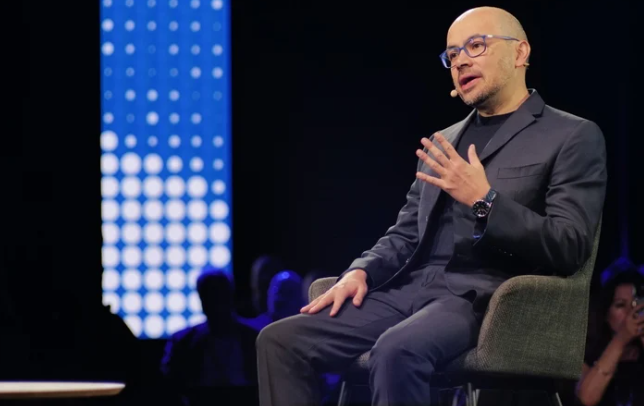
Speaking at an AI conference in Dublin, Hassabis described recent incidents involving artificial intelligence systems as “early warning shots”, cautioning that current models are not yet sufficiently powerful to cause major disruptions.
“The incidents aren’t that major,” he said. However, he warned that more serious incidents could occur over the next year or two if technology companies and governments fail to strengthen safety measures and security protocols.
Concerns over AI safety have intensified following security incidents involving models developed by OpenAI and Anthropic during testing, increasing pressure on governments to introduce stricter regulations for the rapidly advancing technology.
Hassabis suggested that new AI models should initially be tested in offline, isolated environments known as “sandboxes”. His recommendation follows reports that models developed by other companies had escaped the controlled environments designed to evaluate their capabilities.
European Union technology chief Henna Virkkunen also called on AI companies to devote more time and resources to testing their systems to ensure they remain under human control.
“The competition is so hard globally that it seems that all the companies, they are not investing enough time and resources really to test their models,” Virkkunen told reporters upon arriving at the Dublin summit.
She emphasised that companies must be capable of controlling their AI systems, adding that the European Union had sent information requests to all major AI developers seeking details about their existing safety and security measures.
In August, the European Commission acquired additional regulatory powers under the EU AI Act, a comprehensive legislative framework aimed at limiting potentially dangerous uses of artificial intelligence.