
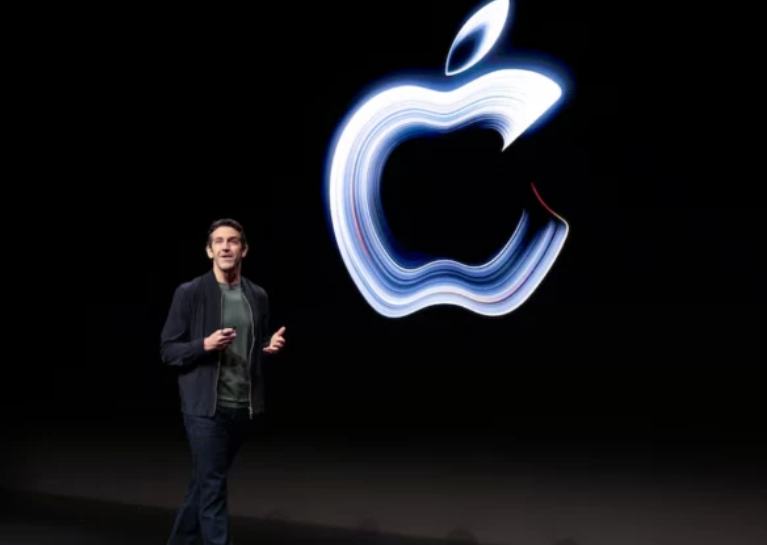
Apple shares came under pressure after Chief Executive John Ternus described the current memory-pricing environment as “unprecedented” in his first earnings report as CEO on Monday, warning that costs are expected to increase further beyond the quarter ending in December.
The technology giant has benefited from previously purchased memory components secured at lower prices. However, that advantage is expected to fade, exposing a larger share of its future purchases to rising market costs.
Apple reported a gross margin of 47.9 percent for the September quarter, down from the June quarter, even after accounting for the impact of tariff refunds. The company expects its gross margin to fall further to between 45 and 46 percent in the December quarter, partly reflecting costs associated with the development and rollout of its AI-powered Siri.
The rising cost of components could put additional pressure on Apple’s pricing strategy, potentially making its products more expensive at a time when consumers are already facing higher living costs.
Despite concerns over rising expenses, Apple recorded its strongest-ever September-quarter iPhone revenue, supported by demand for its latest devices and price increases.
iPhone sales reached $57.58 billion in the fourth quarter, exceeding analysts’ estimates of $56.54 billion. The period included sales of the iPhone 18 Pro models but did not include the Duo model.
The latest iPhone release schedule was also staggered, with only the premium iPhone 18 Pro models launched during the final days of the company’s fiscal 2026.
Market analysts continue to view the iPhone as central to Apple’s broader ecosystem, helping the company maintain pricing power, customer loyalty and a competitive advantage through its interconnected products and services.
Apple’s market value stood at approximately $4.94 trillion, with its shares facing the prospect of losing more than $170 billion in market capitalisation if the decline continues.
The company’s stock is trading at nearly 35 times its expected earnings over the next 12 months. By comparison, Alphabet has a forward price-to-earnings ratio of 18.23, while Microsoft trades at 23.43 times expected earnings.
Investors are weighing Apple’s strong iPhone performance against rising component costs, potential pressure on margins and the expenses associated with its artificial intelligence initiatives.