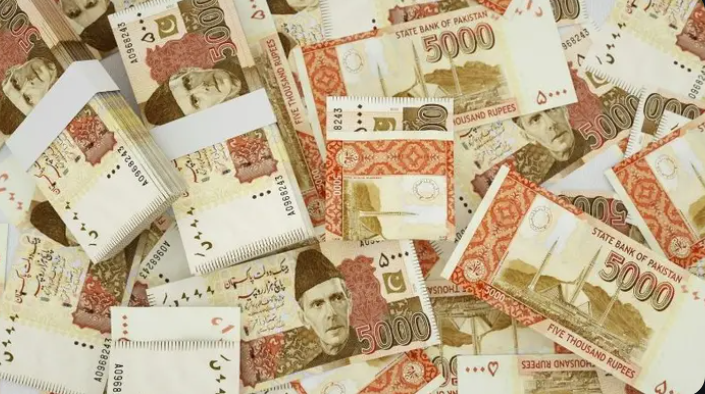
The International Monetary Fund (IMF) has projected a 1.3 per cent contraction in Pakistan’s regional economic outlook this year, citing the adverse effects of the Iran war on energy production, shipping, tourism, trade and investor confidence.
In its regional economic outlook released in Dubai on Thursday, the IMF said the conflict had significantly affected economies across the region, although the severity of the impact varied. Oil-exporting countries have faced greater pressure due to disruptions in energy production and shipping, while oil-importing economies have demonstrated comparatively greater resilience.
The fund expects economic output to recover sharply in 2027. However, it cautioned that economic activity in affected countries would generally remain below levels projected before the war.
The IMF’s baseline forecast assumes that the conflict will ease in early 2027, allowing trade activities to gradually return to normal throughout the year. Nevertheless, the organisation warned that the economic outlook remains subject to exceptionally high uncertainty.
According to the IMF, further disruptions to energy production and major trade routes could push energy prices higher, intensifying economic pressures across the region. Tighter external financial conditions also pose a significant risk to the outlook.
The fund further cautioned that changes in investor expectations regarding artificial intelligence-driven productivity gains could contribute to higher interest rates, particularly amid growing concerns over inflation and government fiscal positions.
Despite these challenges, oil-importing economies have shown resilience. The IMF attributed this to sustained domestic demand, supported by remittances and tourism receipts, favourable financial conditions and timely government measures aimed at protecting consumers from rising commodity prices.
Meanwhile, economic growth across the Caucasus and Central Asia is expected to moderate towards more sustainable levels. The IMF forecast economic growth of 5.2 per cent in 2026, followed by 5 per cent in 2027.
The fund also urged policymakers across the region to prioritise price stability, maintain sustainable public finances, safeguard central bank independence and introduce structural reforms to improve productivity and generate employment.