Pakistan’s private sector has shifted to a net borrowing position during the first four months of the current fiscal year, reflecting government efforts to encourage banks to increase lending to businesses and other private borrowers.
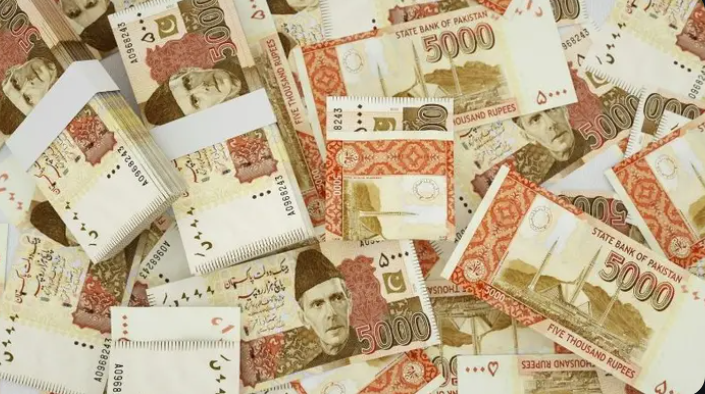
Data released by the State Bank of Pakistan (SBP) showed that private-sector net borrowing reached Rs87 billion between July 1 and October 23 in FY27, compared with debt retirement of Rs29 billion during the corresponding period last year.
Prime Minister has again directed the Ministry of Finance to take action against banks delaying loan disbursements to farmers, small and medium-sized enterprises (SMEs), and applicants under the Apna Ghar housing scheme.
Despite these efforts, bank lending has yet to reach levels that could provide a substantial boost to private-sector activity and help accelerate economic growth beyond the pace recorded over the past four years.
SBP figures showed that Islamic branches of conventional banks were the only category to extend net credit, while both conventional and Islamic banks recorded debt retirement.
Conventional banks registered debt retirement of just Rs320 million during the period, significantly lower than the Rs117 billion recorded in the same period last fiscal year. Islamic banks reported net debt retirement of Rs63 billion, compared with Rs25 billion a year earlier.
Lending to the private sector remains challenging for banks because of elevated risks, while businesses are also reluctant to borrow and invest.
The reluctance is attributed to several factors, including high financing costs, political uncertainty, security concerns in two provinces and the risk of further conflict in the region.
The State Bank raised its policy interest rate by 50 basis points to 12 per cent last week, further increasing borrowing costs for businesses and investors.
Bankers and analysts believe the central bank may raise interest rates further in the coming months, as average inflation over the past four months remains in double digits.