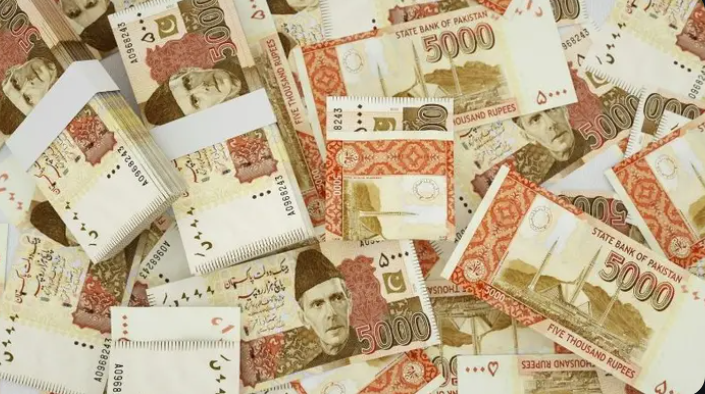
Pakistan’s pharmaceutical exports have declined sharply following disruptions in trade with Afghanistan, which was previously one of the country’s major markets for medicines.
According to Pakistan Bureau of Statistics data, pharmaceutical exports fell to $319.012 million in FY26 from $457.456 million in FY25, marking a decrease of $138.444 million. Export volumes also dropped by 26.14 per cent, from 112,517 tonnes to 83,104 tonnes.
The downward trend continued in the first quarter of FY27, as pharmaceutical export proceeds fell 25.53 per cent to $73.301 million, compared with $98.428 million in the corresponding period last year.
Export volumes during the quarter declined by 31.40 per cent, falling from 23,924 tonnes to 16,410 tonnes, a reduction of 7,514 tonnes. The sharper decline in volume compared with export value reflects changes in the average value of products shipped.
The average export value per tonne increased by approximately 8.6 per cent in the first quarter of FY27, rising from around $4,115 to $4,469. However, it decreased by 5.6 per cent in FY26, from approximately $4,065 to $3,838. These changes may reflect variations in the mix of exported products rather than direct changes in medicine prices.
Meanwhile, exports of surgical goods and medical instruments, which are excluded from pharmaceutical export figures, increased by 8.8 per cent to $121 million in the first quarter of FY27. Their total export value remained unchanged at $451.527 million in FY26.
Afghanistan had been a significant destination for Pakistani medicines. Data from the Pakistan Pharma Portal of the Trade Development Authority of Pakistan, sourced from PRAL, showed that Pakistan exported medicines worth $155.68 million to Afghanistan in FY25. This represented approximately 34.1 per cent of the country’s total pharmaceutical exports during that year.
Former Pakistan Pharmaceutical Manufacturers Association (PPMA) chairman Tauqeer ul Haq said the suspension of trade with Afghanistan had caused substantial financial losses for pharmaceutical companies and reduced revenue for the national exchequer.
He added that Afghan patients were also facing difficulties because they had to rely on more expensive medicines following the disruption in supplies from Pakistan.
According to Haq, the PPMA had raised the issue with the government, and Planning Minister Ahsan Iqbal had assured the association that he would discuss the matter with the relevant authorities and explore ways to resume Pakistani pharmaceutical exports to Afghanistan. However, Haq said there had been limited follow-up on the commitment.