A rare ceasefire in Ukraine’s southern Kherson region, which allowed a humanitarian mission to reach Russian-occupied Oleshky, was due to expire on Sunday, raising concerns about a possible escalation in fighting.
The temporary pause in hostilities began early Tuesday, with neither side reporting any violations after it came into effect. A Ukrainian lawmaker described the development as the “biggest de-escalation since 2022”.
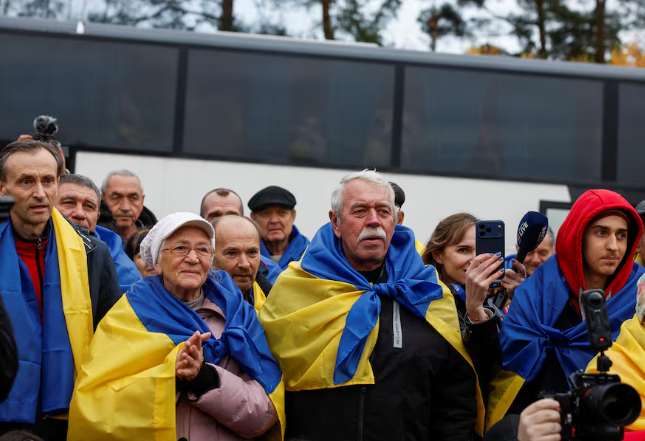
Residents in the region welcomed the temporary calm, with one describing it as a “breath of fresh air”.
“We have to use this time to get things done,” said Volodymyr Omeltchenko, a 38-year-old gardener, adding that he had been using the pause in fighting to prepare rose bushes for winter.
However, a Ukrainian military officer warned that hostilities could intensify once the ceasefire ended. He expressed concern that Russian forces positioned across the Dnipro River had used the pause to deploy additional troops and build up ammunition supplies.
He feared the renewed fighting could be “worse than before”.
Meanwhile, fighting continued in other parts of Ukraine.
Russia said on Sunday that a drone had struck an industrial facility east of Moscow overnight.
Ukrainian media reports identified the target as the Kstovo oil refinery, describing it as one of Russia’s largest facilities producing fuel and lubricants.
Ukraine has repeatedly targeted Russian oil and gas infrastructure, describing the strikes as retaliation for Russian attacks on its energy facilities.
US President Donald Trump has urged Kyiv to halt such attacks, blaming them for contributing to rising diesel prices, although analysts have linked the increase to the conflict involving Iran.
The expiry of the Kherson ceasefire is expected to test whether the temporary reduction in hostilities can lead to further de-escalation or whether fighting will intensify again along the Dnipro River.