The United States has indicated progress in diplomatic efforts to reach an agreement with Iran and prevent a renewed escalation of the conflict, with both sides signalling openness to negotiations.
The latest diplomatic developments came ahead of Tuesday’s US midterm elections, in which President Donald Trump’s Republican Party is seeking to retain control of Congress amid voter concerns over the conflict and rising fuel prices.
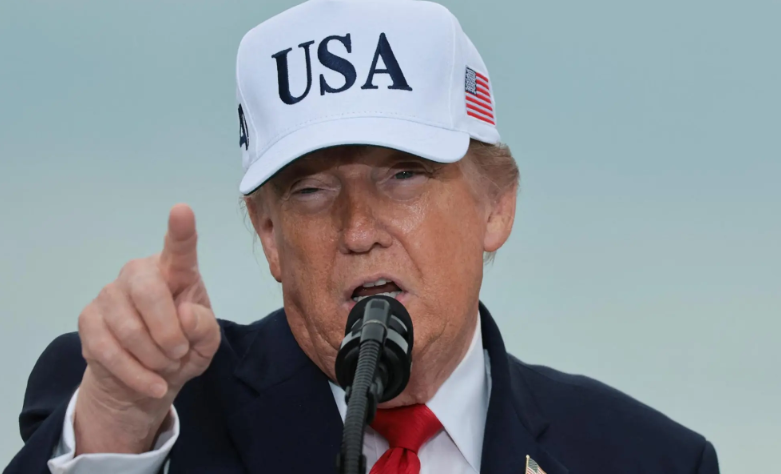
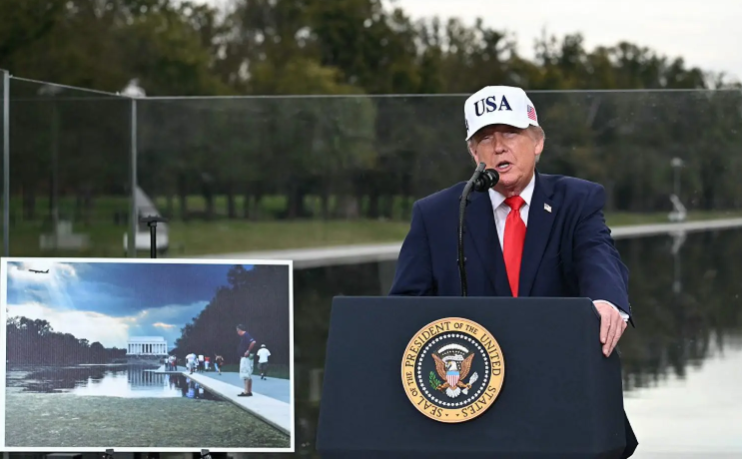
Trump said an agreement with Tehran was possible, adding that Iran wanted to reach a settlement as soon as possible.
However, hopes for a diplomatic breakthrough were complicated by reports of fresh US strikes on Iran. Iranian state media reported five explosions in quick succession on Qeshm Island in the Strait of Hormuz. The reported strikes were described as part of a series of limited US military operations carried out against Iran in recent weeks.
The US Central Command did not immediately comment on the reported incident.
Earlier on Monday, oil prices fell by more than seven per cent amid optimism that the eight-month conflict could come to an end.
The reports of fresh strikes emerged shortly before voting began in the US midterm elections. Democrats are seeking to gain at least partial control of Congress, potentially creating political constraints for Trump after two years of Republican control.
Iranian Foreign Minister Abbas Araghchi said on Monday that indirect negotiations with Washington were underway through regional mediators.
He described the consultations as intensive, citing the sensitivity and seriousness of the situation. Araghchi also acknowledged the active mediation roles being played by Qatar and Pakistan.
US Vice President JD Vance said both he and Trump remained optimistic about reaching an agreement, adding that some progress had already been made.
China also called for a return to diplomatic engagement, while Iran’s security chief held discussions on the conflict with Russian President Vladimir Putin.
Reports also indicated that Vance had sent a letter to Iran’s national security chief, Mohsen Rezaei, outlining the possibility of renewed negotiations. The communication was described as one of the highest-level diplomatic contacts between the two sides in recent months.
Iran’s First Vice President Mohammad Reza Aref described the messages from Washington as an acknowledgement of what he called Iran’s victory.
Meanwhile, a senior Iranian official said Tehran could reopen the Strait of Hormuz within two days if Washington accepted its demands. The strategic waterway is a major route for energy exports from the Gulf region.
In September, Iran had proposed a seven-day plan to reopen the strait. Its conditions included ending the conflict on all fronts, unfreezing Iranian assets, lifting oil sanctions and ending the US counter-blockade of Iranian ports.
Iranian Foreign Ministry spokesman Esmaeil Baqaei said the possibility of implementing the proposal within two days reflected Tehran’s willingness to pursue a diplomatic solution.
Separately, Chinese President Xi Jinping discussed the conflict with Oman’s Sultan Haitham bin Tariq during a meeting in Beijing on Monday. It was the first visit to China by an Omani head of state since the establishment of diplomatic relations between the two countries.
An Omani statement said both sides supported resolving disputes through political and diplomatic channels and urged Washington and Tehran to pursue peace, reach a ceasefire and prevent further war.
China also held separate meetings with Iranian and Saudi officials in Beijing on Monday as diplomatic efforts continued.
Chinese Foreign Minister Wang Yi told Ali Bagheri, deputy secretary of Iran’s Supreme National Security Council, that Beijing supported Tehran in safeguarding its sovereignty and security.
Bagheri, meanwhile, said Iran’s position on protecting its national security, sovereignty and territorial integrity remained unchanged, adding that the country would make no compromises on these issues.
In an interview released on Sunday, Araghchi said Washington must accept a new arrangement agreed upon by Iran and Oman for navigation through the Strait of Hormuz.
He also called on the United States to lift recently imposed sanctions and reduce its military presence in the region.
Despite the diplomatic contacts, Trump has continued to issue warnings to Tehran. On Sunday, he said the United States might have to take further military action against Iran at an unspecified time.
A day earlier, Trump said Washington still needed to address one or two potential targets, including Pickaxe Mountain in central Iran, which is suspected by the United States of being a nuclear-related site. Tehran denies that the location is a nuclear facility.
Baqaei warned that any aggression against Iran would trigger what he described as a powerful, immediate and comprehensive response.