
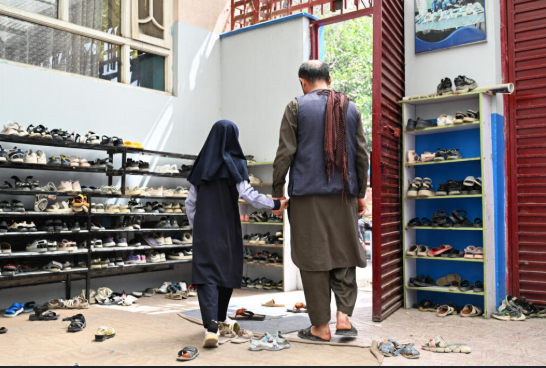
Afghan fathers are struggling to cope with the Taliban’s ban on girls’ secondary and higher education, with many questioning the policy and seeking alternative ways to keep their daughters learning.
The Taliban authorities, who returned to power in 2021, barred girls from secondary schools in March 2022 and later shut universities to women. The restrictions have affected at least one million girls, according to the UN.
Several fathers interviewed by AFP said the ban had caused deep emotional distress, with some resorting to secret schools, home schooling and online courses. Others have considered sending their daughters abroad, though visa restrictions and regional border closures have made that increasingly difficult.
Some fathers said they could find no religious justification for the ban, while others, despite supporting the Taliban’s policies on security and corruption, questioned the decision to deny girls further education.
Many fear their daughters will lose opportunities to pursue higher education and careers. One father said he hid his tears from his daughter as she struggled with the loss of her education, while another described his daughter as depressed after being forced to study at home.
The Taliban says the restrictions are temporary, but after more than four years, Afghan families remain uncertain about when girls will be allowed to return to secondary schools and universities.