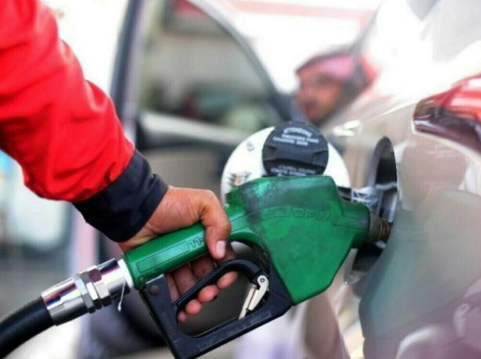
Following the latest revision, petrol will be available at Rs325.43 per litre, while high-speed diesel (HSD) will be priced at Rs383.95 per litre. The government is currently collecting Rs114 per litre in taxes and duties on petrol and Rs100 per litre on diesel.
According to a notification issued by the Petroleum Division, the revised prices will take effect from Friday, August 14.
The price of HSD has declined significantly from its peak of Rs520.35 per litre recorded on April 3. It had risen from Rs281 per litre after the outbreak of the US-Iran conflict on February 28.
Petrol had also reached a record Rs458.41 per litre on April 3 after beginning an upward trend from Rs266 in the first week of March.
Earlier, Petroleum Minister Ali Pervaiz Malik announced that fuel prices would be revised daily in response to fluctuations in international oil prices following renewed hostilities between Iran and the United States.
The government had been revising fuel prices on a weekly basis since early March while introducing fuel conservation measures amid concerns over possible disruptions to oil supplies due to the conflict in the Middle East. In April, the federal government also announced targeted measures to provide subsidised fuel.
The petroleum minister said the cabinet and prime minister had assigned the Oil and Gas Regulatory Authority (Ogra) the task of determining fuel prices daily in line with international market trends.
However, the All Pakistan Dealers Association opposed the move towards daily price adjustments and said it would consider launching a protest.
Petrol is primarily consumed by private vehicles, small transport vehicles, rickshaws and motorcycles, making price changes particularly significant for middle- and lower-middle-income groups.
Diesel prices, meanwhile, have a broader impact as HSD is widely used in heavy transport, power plants and large generators.
Petrol and HSD remain the government’s major petroleum revenue sources, with monthly sales estimated at 700,000 to 800,000 tonnes, compared with around 10,000 tonnes of monthly kerosene demand.