The US Federal Reserve’s decision to raise interest rates is aimed at addressing persistent inflation, which has been further aggravated by rising oil prices amid the ongoing US-Israeli war on Iran.
The move has raised questions about its potential impact on Pakistan, particularly on the rupee, monetary policy and the cost of servicing external debt.
US media outlet CNBC, citing economists, reported that a renewed US monetary tightening cycle could strengthen the dollar, put pressure on other currencies and limit the ability of central banks elsewhere to cut interest rates.
Mark Zandi, chief economist at Moody’s Analytics, said the US rate increase, along with indications of another possible hike, was putting upward pressure on the dollar and weighing on other currencies. The dollar subsequently rose to a seven-week high on Thursday.
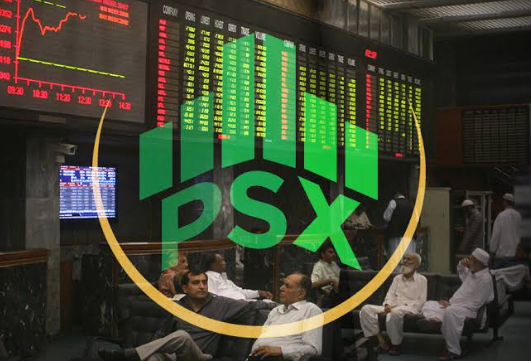
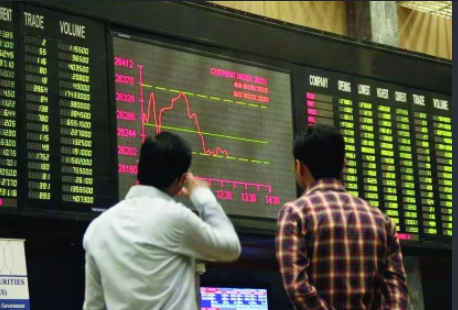
Asian equities also recorded gains, with MSCI’s broadest index of Asia-Pacific shares outside Japan and Japan’s Nikkei edging higher. The Pakistan Stock Exchange also opened in positive territory, gaining 0.83 per cent by noon.
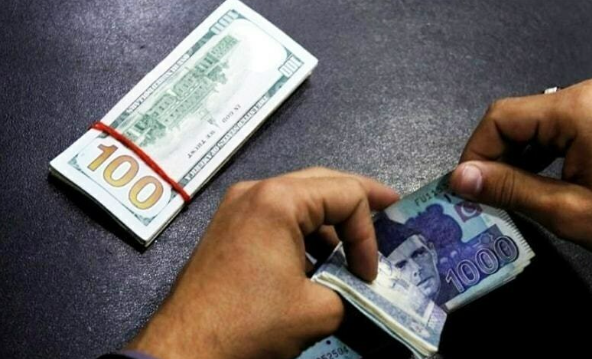
Ammar H. Khan, assistant professor of practice at the Institute of Business Administration (IBA), said the impact on Pakistan could potentially come through either higher domestic interest rates or a weaker rupee.
“On a forward-looking basis, we may either increase the interest rate by 50-100bps, or the PKR may depreciate,” he said.
Waqas Ghani Kukaswadia, research head at JS Global, said the Fed’s decision could put pressure on the rupee, tighten global financial conditions and increase the cost of future external borrowing.
However, he noted that Pakistan’s near-term financing position was relatively protected because the $3 billion Eurobond issued in September had already been secured.
He said the more immediate concern for Pakistan was elevated oil prices because of their direct impact on the country’s import bill and external account.
Financial analyst Jibran Sarfraz expressed greater concern about the potential consequences for emerging markets such as Pakistan. He said the 25-basis-point increase could worsen fiscal pressures by encouraging investors to shift funds towards US Treasury securities offering higher yields.
According to Sarfraz, such capital outflows could reduce the supply of dollars in Pakistan and put additional pressure on the rupee.
He also pointed to Pakistan’s sizeable dollar-denominated external debt, saying higher US interest rates could increase debt-servicing costs.
Sarfraz further warned that higher import costs could add to inflationary pressures, particularly for essential goods such as food. With inflation already in double digits, he said further increases in import prices could worsen the overall inflationary outlook.