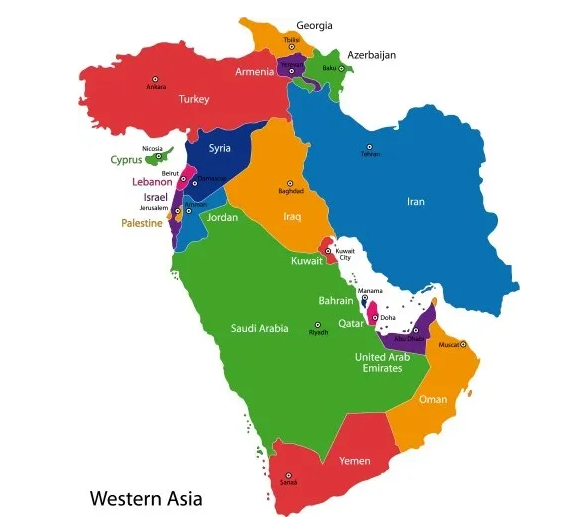
The continuing conflict involving the United States, Israel and Iran is reshaping security calculations across West Asia, with disruptions to energy and shipping routes, damage to regional infrastructure and growing debate over the future of the US military presence in the Gulf.
The conflict has also intensified discussions about regional security arrangements, particularly following the signing of the Makkah Joint Defence Agreement by Pakistan, Saudi Arabia and Türkiye on August 7, 2026. The agreement provides that an armed attack against any one of the three countries would be regarded as an attack against all, while calling for closer defence cooperation and collective deterrence.
The three countries subsequently moved to institutionalise the agreement. At a meeting in Istanbul on August 31, foreign and defence ministers and military chiefs agreed to establish a secretariat in Saudi Arabia, initially headed by a Pakistani secretary general for three years. They also agreed to strengthen defence-industry cooperation, joint technology development and military coordination.
The Strait of Hormuz remains one of the most significant pressure points in the conflict. Commercial shipping through the waterway has fallen sharply since the escalation of hostilities, with preliminary data showing only two commodity vessels crossed the strait on September 21, compared with a pre-conflict average of around 125 large commercial vessels a day.
The disruption has raised concerns over global energy supplies. The International Energy Agency says the Strait normally carries a substantial share of global seaborne oil trade and is also a major route for LNG exports from Qatar and the UAE.
The crisis has also affected Qatar’s LNG industry. QatarEnergy has warned that damage and shipping disruptions could delay some planned LNG expansion projects, while repairs to damaged facilities are expected to take time.
The Gaza conflict continues to contribute to wider regional instability. UN assessments have documented extensive damage to infrastructure across the territory. A joint UN, World Bank and European Union assessment estimated physical damage at $35.2 billion and economic and social losses at $22.7 billion, with reconstruction needs projected at approximately $71.4 billion over the next decade.
A UN satellite-based assessment released in August found that approximately 82 per cent of structures in Gaza had sustained damage as of June 16, 2026. The assessment recorded more than 134,000 destroyed structures and over 328,000 damaged housing units.
The scale of destruction and continuing military operations have kept Gaza at the centre of international diplomatic and security discussions, while developments in Lebanon, Syria, Yemen and the wider Gulf have further complicated the regional picture.
The United States has continued to strengthen aspects of its defence relationship with Israel. On July 22, the US House of Representatives passed a $1.15 trillion National Defense Authorization Act for fiscal year 2027. The legislation includes provisions related to US-Israel military technology cooperation, although the measure still faced further legislative steps before becoming law.
The legislation has also become part of a wider debate in Washington over the cost and scope of US military involvement in the conflict with Iran.
Meanwhile, reports in September said senior military commanders from the United States, Israel and several Arab countries met in Germany to discuss the conflict with Iran and broader regional tensions. The reported participants included military chiefs from Saudi Arabia, the UAE, Bahrain, Kuwait, Qatar, Jordan and Egypt.
The developments have prompted renewed debate over whether Gulf and Middle Eastern states should rely primarily on external security guarantees or develop stronger regional mechanisms.
The Makkah Agreement represents one such effort, with Pakistan, Saudi Arabia and Türkiye seeking to deepen defence cooperation while formally describing the pact as defensive in nature and not directed against any country.
Pakistan has also maintained diplomatic contacts with countries involved in the regional crisis and has called for dialogue, de-escalation and peaceful resolution of disputes.
For Gulf states, the continued disruption of shipping routes and attacks on energy infrastructure have highlighted the vulnerability of regional trade and energy supplies. Saudi Arabia and other states are also seeking alternative routes and measures to maintain exports amid instability around the Red Sea and Strait of Hormuz.
The conflict has therefore moved beyond the immediate confrontation between Washington, Tehran and Tel Aviv, affecting energy markets, maritime trade, defence planning and diplomatic relations across the region.
With the Strait of Hormuz still experiencing severe disruption and military tensions continuing, regional governments face pressure to strengthen coordination while avoiding further escalation.
The emerging security landscape is likely to involve a combination of national defence capabilities, bilateral and multilateral agreements and diplomatic efforts aimed at reducing tensions. The institutionalisation of the Makkah Agreement is one of the latest developments in this broader effort to build regional security cooperation.