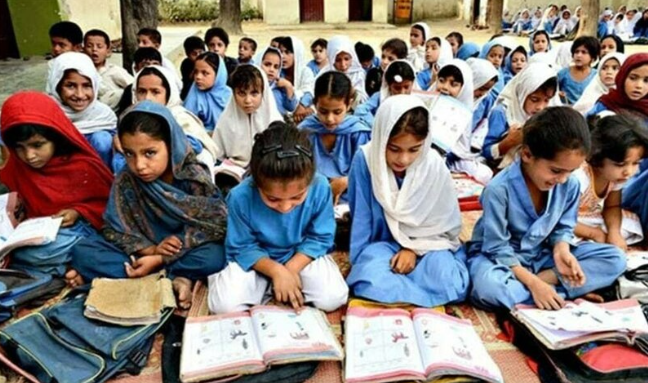
Chairing a meeting at KP House on a roadmap for a modern digital learning ecosystem, the chief minister said the initiative would expand access to quality education, bring out-of-school children into the formal system and provide learning opportunities to students in remote and underserved areas.
The government plans to invest Rs5 billion in digital education reforms, which Afridi said could deliver significant improvements despite representing a small share of the overall education budget. The reforms are also expected to reduce geographical and social barriers to girls’ education and make learning more accessible and cost-effective.
Under the “Parho Khyber Pakhtunkhwa” initiative, textbooks will be digitised and made available on mobile phones, while offline classes will allow students to continue learning without internet access. Officials said the investment could generate annual savings of more than Rs100bn.
With around 90pc of households having access to smartphones, officials said online teaching has already started in more than 50 schools, with 500 schools expected to join the virtual learning platform by the end of the month.
The planned digital ecosystem will also include virtual science laboratories and language labs offering courses in Chinese, Korean, French, Arabic, Spanish and English. Afridi directed authorities to ensure the reforms are implemented according to approved targets and timelines.