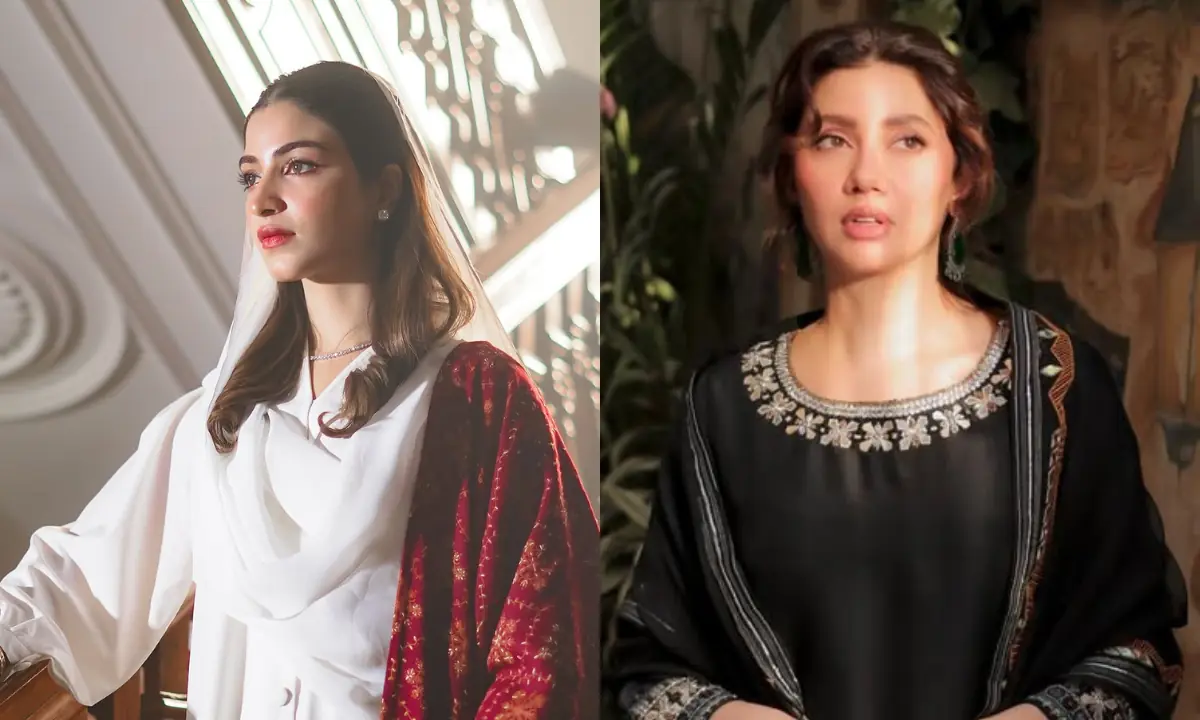
akistani celebrities have called for authorities to take action against a digital creator for sharing AI-generated videos depicting violent and derogatory treatment of female celebrities.
The development came to light when another digital creator, Actor Tamkenat Mansoor similarly said making such content should be illegal if it isn’t already and that these videos were symptomatic of a society where men think it is okay to abuse ‘popular’ women. The comment section, she said, “proves that so many of these men are just an opportunity away from violating a woman.”Actor Zara Tareen called on people who have seen M’s videos to identify him, report him to the authorities and file a complaint with the police so that he can face the consequences of his actions. in a reel on Friday, criticised an Instagram account identified as M*.
Images independently viewed the account before writing this piece. It shows a mix of AI-generated content: videos of M appearing to kick and assault deepfakes of male and female celebrities — including actor Hania Aamir, as well as other local and international celebrities — alongside separate videos depicting him dancing with and embracing deepfakes of certain celebrities.
In his reel, Ahsan shows a blurred-out clip posted by M where a deepfake of him is seen hitting a deepfake of actor Hania Aamir.
Ahsan said that this wasn’t the only such clip and there were many others on the account that showed M’s deepfake behaving inappropriately, hitting and degrading other actors, influencers and content creators.
Ahsan also showed comments allegedly posted under these videos of other men cheering M on and saying his videos are a “very good use of AI”, though many comments posted over the past 24 hours reflect growing anger and calls for action to be taken against the digital creator.
Ahsan claimed female celebrities were in danger because of people like M and those who support and condone his behaviour, and asked people to report such content wherever they saw it.
Images reached out to M regarding the comments made about his content, but has yet to receive a response.
In Ahsan’s own comment section, female celebrities expressed their anger and called for action.
Mahira Khan said nobody should be surprised at the prevalence of violence against women in Pakistan if this was the mindset people had when it came to female celebrities.
Cases like this test the limits of existing law. Pakistan’s doesn’t contain provisions written specifically for AI-generated content, but courts and police have — including Section 20 (online defamation) and Section 21 (modesty/non-consensual images) — to prosecute deepfake cases involving public figures.
The lack of dedicated provisions in PECA dealing with deepfake cases means outcomes vary depending on how specific cases are framed. Last year, the Punjab police registered charges under PECA and the Pakistan Penal Code’s defamation provisions over AI-generated of Punjab Chief Minister Maryam Nawaz.
AI-generated abuse targeting women specifically is a documented, worsening global problem. estimates that between 16 and 58 per cent of women worldwide have experienced some form of digital abuse, and that 90 to 95 per cent of deepfake videos circulating online are sexualised images of women.