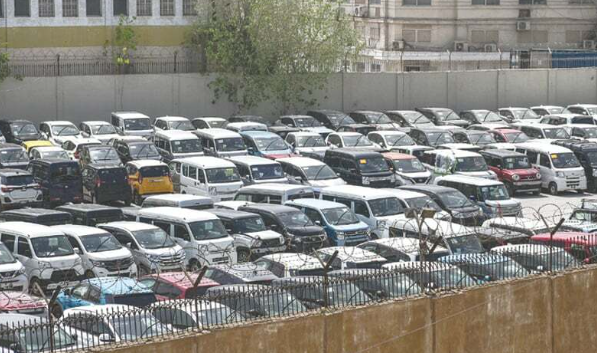
Imports of new and used cars increased sharply during the first two months of the new fiscal year, as new market entrants brought in vehicles ahead of local assembly while concerns persisted among auto parts manufacturers over the continued inflow of used vehicles.
According to data from the Pakistan Bureau of Statistics (PBS), imports of motor cars, including new and used vehicles, rose by 36 per cent to $81.4 million in July-August 2026, compared with $59 million during the corresponding period last year.
The government abolished the baggage scheme for used-car imports in January and introduced mandatory pre-shipment inspections for vehicles imported under the gift and transfer-of-residence schemes.
Indus Motor Company, in its FY26 annual report, said the removal of used-car imports under the baggage scheme had begun to affect import volumes. Used-vehicle imports declined to around 38,000 units in FY26 from approximately 42,000 units in FY25.
However, former Pakistan Association of Automotive Parts and Accessories Manufacturers chairman Aamir Allawala said auto vendors remained concerned that used-car dealers were continuing to bring vehicles into the country through different import schemes.
According to the data shared by Allawala, 48 used vehicles were imported in May, including seven under the gift scheme, 39 under the baggage scheme and two under the transfer-of-residence scheme.
Used-car imports increased to 843 units in June, with 806 vehicles arriving under the gift scheme, 35 under the baggage scheme and two under the transfer-of-residence scheme.
In July, imports under the gift, baggage and transfer-of-residence schemes reached 1,876, 53 and nine units respectively, bringing the monthly total to 1,938 vehicles.
The number fell to 1,445 used vehicles in August, including 1,406 imported under the gift scheme, 38 under the baggage scheme and one under the transfer-of-residence scheme.
Allawala said leading Chinese companies were importing between 1,500 and 2,000 new energy vehicles every month, while around 3,200 used vehicles were imported during July and August combined.
He noted that several locally assembled vehicles had achieved more than 50 per cent localisation by value, with local parts accounting for an average of around Rs1.5 million per vehicle.
According to Allawala, the growing import of completely built-up (CBU) vehicles, whether new or used, could reduce demand for locally manufactured components and affect employment in the automotive vendor sector.
He also stressed the need to protect Pakistan’s industrial base and expand employment opportunities, particularly given the country’s young population.
An auto assembler, speaking on condition of anonymity, said new entrants were being encouraged to import new energy vehicles as part of efforts to reduce Pakistan’s oil import bill.