Pakistan’s petroleum dealers have called for an independent forensic audit of oil refineries, saying an examination of their financial records and pricing mechanisms could help determine the scope for reducing petroleum prices by Rs40 to Rs50 per litre.
According to market estimates, profitability in the refinery sector surged to Rs32.2 billion in the first quarter of fiscal year 2027, compared with Rs1.6 billion in the corresponding period of the previous fiscal year and Rs1.1 billion in the fourth quarter of FY26. The increase was primarily driven by higher gross refining margins amid the US-Iran war.
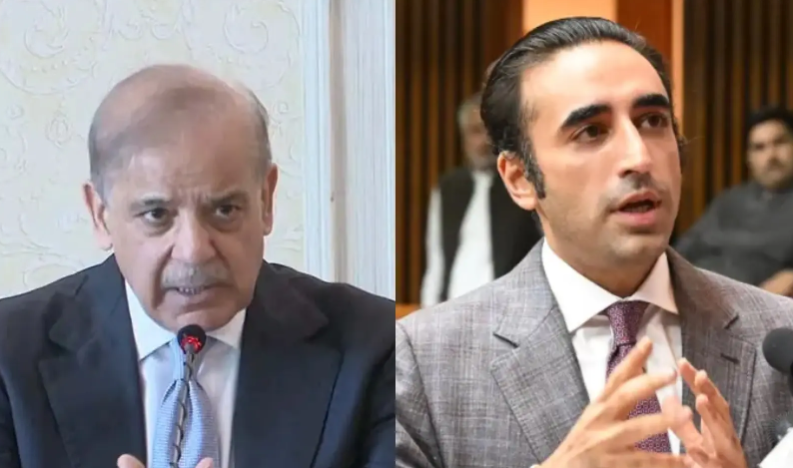
Pakistan Petroleum Dealers Association (PPDA) Chairman Malik Khuda Bakhsh and other senior representatives said recent remarks by the petroleum minister about extraordinary refinery profits had reinforced concerns previously raised by the association.
The association said it had repeatedly highlighted unusually high earnings by certain refineries, arguing that the financial impact had ultimately been passed on to consumers.
According to the PPDA representatives, the petroleum minister recently disclosed that refineries had generated profits within three months equivalent to their typical earnings over an entire year.
Describing the disclosure as a serious concern, the association called for an independent and impartial review of refinery profits, production costs, pricing arrangements and other financial matters.
It urged the government to conduct a comprehensive forensic audit of all oil refineries, covering their financial statements, expenditures, crude oil procurement costs, production expenses and revenues from petroleum product sales.
The proposed audit, the association said, would establish the reasons behind the unusually high profits and determine how much of the financial burden had been transferred, directly or indirectly, to consumers.
The PPDA also stressed that providing relief to consumers should not be presented as imposing an additional financial burden on refineries.
It noted that the public was already facing considerable economic pressure due to inflation, high electricity and gas tariffs, rising transportation expenses and increasing prices of essential commodities. A genuine reduction in petroleum prices, it said, could therefore offer significant relief to households.
The association further maintained that consulting only refineries and other relevant institutions on major petroleum-sector decisions was insufficient.
It called for petroleum dealers to be included in the policymaking process, arguing that their market experience, practical recommendations and understanding of industry conditions could help the government formulate more balanced and effective policies.