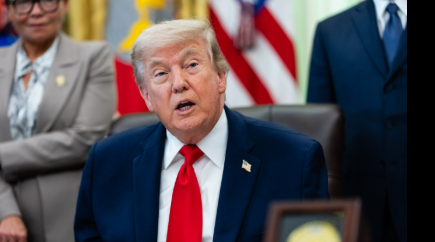
US President Donald Trump is approaching the midterm elections with several major foreign policy initiatives stalled, despite returning to office with a pledge to position himself as a “peacemaker”.
Trump’s efforts to resolve conflicts involving Iran, Gaza and Ukraine have produced limited results, while the ongoing Iran conflict and rising fuel prices have added pressure on his administration ahead of the elections.
Trump recently ended talks with Tehran and announced a new campaign of “economic warfare” against Iran, after months of military action failed to secure the concessions sought by Washington.
His approval rating has also fallen amid persistent inflation and higher gasoline prices, with a recent Reuters/Ipsos poll putting his approval at 33 per cent.
Other diplomatic efforts have faced setbacks. Trump’s negotiator and son-in-law Jared Kushner failed to make progress on a Gaza peace agreement, while planned efforts to revive negotiations over Russia’s war in Ukraine have yet to materialise.
Analysts say Trump’s unconventional approach, which relies heavily on economic and military pressure, has produced mixed results. While he has brought rival parties to the negotiating table in several conflicts, lasting settlements remain elusive.
The Iran conflict has emerged as a major test for Trump, with divisions reportedly persisting within his administration over how to bring the confrontation to an end.
White House officials, however, maintain that Trump’s policies have strengthened US influence, citing ceasefires, hostage releases and trade agreements as evidence of progress.
With the midterm elections approaching, Republicans risk losing control of one or both chambers of Congress. Analysts warn that Trump’s political rivals and foreign adversaries may increasingly seek to wait out his administration as the political timeline shortens.