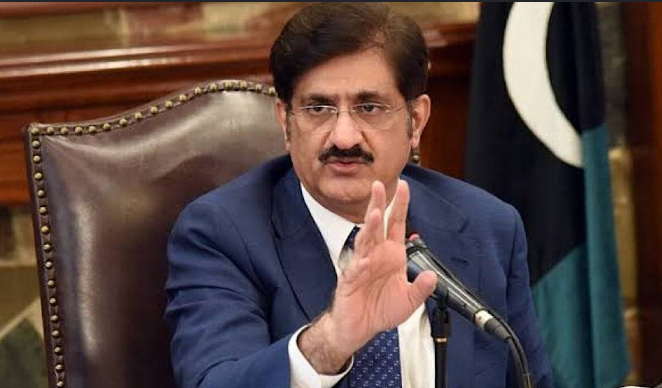
Sindh Chief Minister Murad Ali Shah has said Karachi’s future depends on collective efforts, reiterating his government’s commitment to making the metropolis cleaner, greener, safer and more inclusive.
“Karachi belongs to all of us. Its future depends on our shared efforts, and its progress and prosperity remain our common mission,” he said while speaking at the closing ceremony of the 15-day Salaam Karachi festival at Frere Hall on Monday.
The chief minister also paid tribute to Pakistan’s armed forces and martyrs, describing their sacrifices as the foundation of the country’s peace, stability and progress.
He said those who had laid down their lives in defence of the country were national heroes whose sacrifices had safeguarded Pakistan’s freedom and sovereignty.
The ceremony, held as part of Defence Day observances, marked the conclusion of a citywide festival showcasing Karachi’s culture, diversity, heritage and community spirit through cultural, literary, sporting and recreational activities, according to a press release.
Mr Shah said the participation of families, women, young people, artists, performers and civil society organisations reflected growing public interest in community and cultural activities.
He congratulated the Karachi Metropolitan Corporation, Mayor Murtaza Wahab, Deputy Mayor Salman Abdullah Murad and the organising team, saying the festival had projected a positive image of Karachi while highlighting its diversity, resilience and creative potential.
The chief minister reiterated the Sindh government’s commitment to improving urban infrastructure, public services, parks, sports facilities, cultural institutions and recreational spaces across the city.
He said the government wanted development to reach all parts of Karachi, including Lyari, Malir, Korangi, Clifton, Orangi and Gulshan-i-Hadeed, so that citizens could benefit from the city’s growth and economic opportunities.
Mr Shah said the success of Salaam Karachi demonstrated what could be achieved when government institutions, local authorities, civil society and citizens worked together towards a common objective.
He expressed hope that the festival would continue to expand and become a permanent feature of Karachi’s cultural calendar.
The ceremony began with the national anthem, followed by presentations highlighting the significance of Defence Day and tributes to the armed forces, including a special “Salaam Sipahi” segment and a commemorative video.
An audio-visual presentation showcasing activities held during the festival was also screened, while cultural performances, including the Salaam Karachi theme song, were presented to the audience.
Speaking at the event, Mayor Wahab said the festival’s success reflected Karachi’s desire for positive engagement and greater community participation.
He described Karachi as an important part of Pakistan’s economic, social and national identity, saying the country would benefit as the city progressed.
Mr Wahab said the festival aimed to promote a positive image of Karachi and provide families, artists, athletes and young people with opportunities to celebrate the city.
He said the event had highlighted Karachi’s talent, resilience, diversity and potential, adding that the city’s strength lay in its inclusiveness and collective ownership.
The mayor said every citizen had a role to play in shaping Karachi’s future.