
India’s 1.4 billion people are governed by a common criminal law, while personal matters including marriage, divorce and inheritance remain subject to different rules based on the customs and religious traditions of various communities.
Replacing these separate laws with a Uniform Civil Code (UCC) has long been a key objective of Prime Minister Narendra Modi’s Bharatiya Janata Party (BJP).
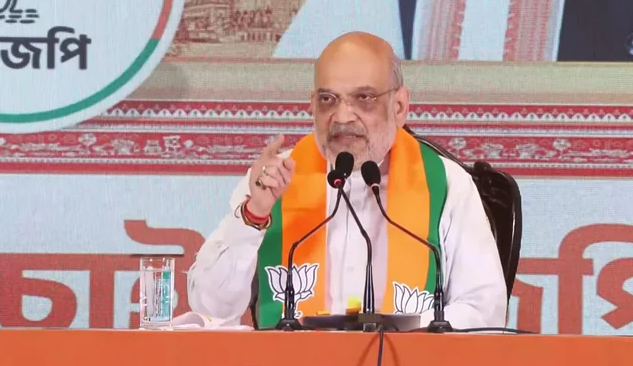
At least four Indian states have so far introduced the UCC. Home Minister Amit Shah said on Sunday that he was confident the code would be implemented in all 21 states governed by the BJP-led National Democratic Alliance by 2029.
The push for a uniform civil law has drawn concerns, particularly from sections of India’s Muslim population, who argue that the measure could interfere with religious freedoms and established personal laws.
Supporters of the UCC maintain that it would promote equal rights, particularly for Muslim women, by ending practices such as polygamy, establishing equal inheritance rights for sons and daughters, and requiring divorce proceedings to be handled through civil courts.
India is the world’s most populous country and has a Hindu majority. The country is also home to an estimated 220 million Muslims, making it the third-largest Muslim population in the world.
The next Indian general elections are scheduled for 2029. Modi secured a third consecutive term as prime minister in 2024, although his party fell short of a parliamentary majority and formed a coalition government.