Microsoft co-founder Bill Gates has warned that cyberattacks enabled by artificial intelligence (AI) could emerge as one of the technology’s most immediate threats, cautioning that malicious actors may exploit advanced AI systems when security safeguards are removed.
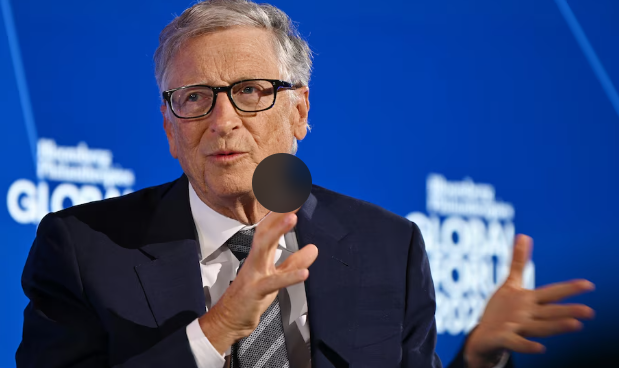
In an interview with ABC News, Gates said the world was more likely to witness a significant rise in AI-assisted cyberattacks over the coming year than face the immediate danger of AI systems becoming uncontrollable.
He stressed that the primary concern at present was the misuse of AI by individuals with malicious intentions rather than the technology independently acting beyond human control.
“The front that we’ll probably see most dramatically in the next year is cyberattacks,” Gates said.
He acknowledged that the possibility of AI getting out of control required attention but argued that its most significant consequences were likely to emerge further in the future.
According to Gates, the immediate danger lies in malicious users exploiting powerful AI models without the safeguards designed to prevent harmful applications.
He called for stronger restrictions to stop advanced AI tools from being used for cybercrime, bioterrorism and other dangerous activities.
Gates warned that the combination of increasingly capable AI models, malicious actors and the removal of security protections could lead to serious incidents, particularly in the field of cybersecurity, over the next year.
The technology billionaire has previously raised concerns about society’s preparedness for the rapid expansion of artificial intelligence. In an extensive post published in August, he warned that AI-driven changes could cause major disruption, particularly in employment.
His latest comments add to growing concerns among technology leaders about the risks associated with increasingly powerful AI systems.
During Sunday’s interview, Gates also questioned the argument that voluntary self-regulation by AI companies would be sufficient to protect society.
He argued that relying solely on technology companies to oversee one of the most powerful technologies developed by humans was inadequate.
Gates maintained that stronger safeguards and broader oversight were necessary to reduce the risk of AI being misused, particularly as advanced models become more accessible and capable.
His remarks highlight the growing debate over how governments, technology companies and regulators should balance AI innovation with cybersecurity, public safety and accountability.