The government has estimated that the proposed protests and sit-ins could cause economic losses of around Rs120 billion per day, warning that prolonged disruptions could affect growth and place an additional burden on the national economy.
The warning comes ahead of a planned protest march towards Islamabad on September 27, with demands including the release of a detained political leader and the enforcement of constitutional principles. Another political party has also launched a march towards Islamabad over the petroleum levy.
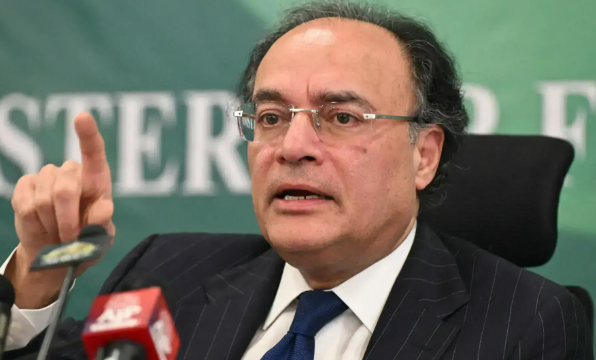
The finance minister said protests and sit-ins, amid economic pressures caused by tensions in the Middle East, could amount to “self-inflicted pain”. Supply chain disruptions, higher freight and insurance costs and a renewed wave of terrorism were cited as additional challenges facing the economy.
Consultations with the economic wing of the planning authorities reportedly estimated that the proposed protests could result in daily losses of around Rs120 billion.
The services sector is expected to suffer the largest impact, with estimated losses of Rs86 billion. The sector includes financial services, communications, retail, transportation, wholesale and hospitality.
The industrial sector could face losses of around Rs25 billion, including potential disruptions to construction, finished goods, raw materials and supply chains. The agriculture sector is estimated to face losses of approximately Rs9 billion.
The government also estimates that the protests could result in an additional revenue loss of around Rs17 billion.
The finance minister said previous protests and sit-ins had also created additional costs for the national treasury through logistics, transportation, fuel and security deployments.
The government is currently targeting export-led growth, with the export target for the ongoing fiscal year set at $35.9 billion. The finance minister said exports had remained on track during the first two months of the fiscal year.
Referring to previous disruptions, he said economic losses from a strike in December 2025 took around one and a half months to recover. He also pointed to disruptions in August, warning that further protests could affect economic growth at a time when regional tensions were already creating pressure on trade and transportation routes.
The finance minister also highlighted the potential impact on information technology exports. IT exports during July and August were reported at $811 million, averaging around $13 million per day. Previous internet connectivity disruptions during civil disobedience had reportedly affected IT exports significantly.
He warned that prolonged marches and sit-ins could therefore affect both goods and services and place an additional economic burden on workers, small traders, daily wage earners and ordinary citizens.
The government has urged political parties to resolve outstanding issues through dialogue, saying that economic stability had been achieved after difficult policy decisions and that the economy was now moving towards growth.
The warning comes amid planned protests by two major political parties in the coming days.
A court ruling earlier this month stated that political parties and their leadership did not have a lawful right to occupy public roads, highways, interchanges, toll plazas or government buildings in Islamabad. The ruling also stressed that citizens’ right to free movement should not be obstructed.
Following the ruling, the government said it would prevent attempts to march towards the federal capital. Authorities in Islamabad and Rawalpindi had also begun preparations, including arrangements for additional security personnel, containers and anti-riot equipment.
Meanwhile, a separate political party has launched a protest march towards Islamabad against the petroleum levy.
The party has been staging sit-ins in several cities since August 16, demanding the withdrawal of the levy. The government currently imposes taxes and duties of around Rs114 per litre on petrol and Rs100 per litre on diesel.
The party has warned that its protest could intensify if the government does not withdraw the petroleum levy.