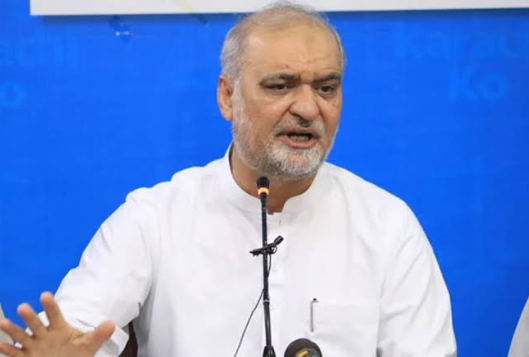
Addressing a press conference in Islamabad, the party leadership criticised rising fuel prices and the country’s tax burden, arguing that recent relief measures had not addressed the underlying economic pressures facing households.
The party also announced plans for a nationwide “super long march” towards Islamabad on September 20 as part of its ongoing campaign against the petroleum levy. Caravans from Sindh, Punjab, Khyber Pakhtunkhwa and Balochistan are expected to travel towards the federal capital, including a dedicated group travelling by train from Karachi.
The party rejected the government’s explanation that higher fuel prices were solely the result of international market conditions. It called for the abolition of the petroleum levy and an end to what it termed non-productive capacity payments to independent power producers and regasification plants.
The party also proposed fixing the price of petrol at Rs225 per litre and reducing the benchmark interest rate by three percentage points. It argued that lower interest rates could significantly reduce the government’s borrowing costs and free up funds for other expenditures. Recent statements from the party have put the potential savings from a three-percentage-point rate cut at around Rs1.7 trillion.
The party further called for changes to the country’s interest-based financial system and urged the government to reduce official expenditures and privileges.
Meanwhile, negotiations between the government and the party over the petroleum levy have continued, with the party warning that talks could end if the levy is not withdrawn. The government currently imposes taxes and duties on petroleum products, while the party has maintained that the levy should be abolished rather than replaced with temporary relief measures.
The party said its September 20 mobilisation would remain peaceful and would not deliberately obstruct roads or disrupt essential activities. It also said arrangements would be made to avoid affecting students appearing for the upcoming MDCAT.
The leadership said it remained open to negotiations if the government presented concrete proposals, while maintaining that the planned mobilisation would proceed as scheduled if its demands were not addressed.