India is facing growing economic and political pressure over its continued imports of Russian crude oil as a proposed US sanctions bill threatens to impose tariffs of up to 100 per cent on countries purchasing significant quantities of Russian oil.
Reducing Russian oil imports to avoid potential US tariffs could drive up domestic fuel prices and place additional pressure on government finances ahead of crucial regional elections. However, maintaining the purchases could expose Indian exporters to severe trade restrictions in the US market.
India, one of the world’s largest oil importers and a major buyer of Russian crude, has strongly opposed the proposed legislation. New Delhi has warned that the measure could harm bilateral relations and disrupt global energy markets, while reaffirming its commitment to securing affordable and reliable energy supplies for its population.
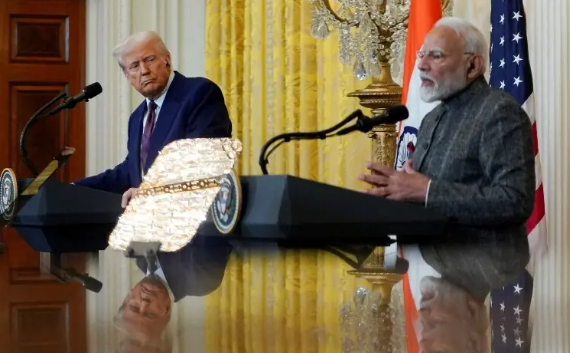
The dispute comes at a sensitive time for US-India trade relations, which have faced repeated tensions over tariffs and market access. Negotiations on a proposed trade agreement have experienced several delays, although both sides are reportedly still seeking progress.
India has expanded its trade partnerships with other major economies, including Britain and the European Union, while exploring further agreements with countries such as Canada. These efforts could help reduce the impact of potential US trade restrictions.
The proposed sanctions have also created a political challenge for the Indian government. Any significant increase in domestic fuel prices could place additional pressure on the ruling party ahead of elections in Uttar Pradesh, Punjab and Gujarat, scheduled to begin early next year.
India increased its purchases of discounted Russian crude following Russia’s invasion of Ukraine in 2022. Russian oil now accounts for a substantial share of the country’s overall crude imports, helping Indian refiners manage energy costs and maintain domestic supplies.
Although India temporarily reduced its Russian oil purchases earlier this year, imports have since increased amid disruptions in global energy markets and heightened regional tensions.
The Indian government has repeatedly defended its energy policy, arguing that its large population and expanding economy require dependable and reasonably priced fuel supplies. Indian refiners have also secured crude shipments for the coming months that include Russian oil.
The proposed US tariffs could have wider implications for international trade and energy markets. Indian exporters could face higher costs and reduced competitiveness in the US, while disruptions to crude purchases could affect global oil supplies and fuel prices.
The latest developments have placed India in a difficult position as it attempts to balance energy security, trade relations with Washington and its broader economic interests.