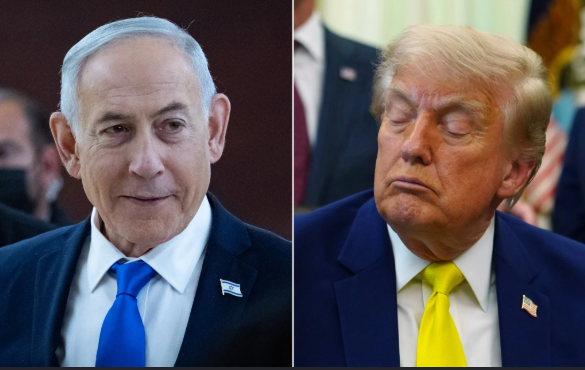
Israeli Prime Minister Benjamin Netanyahu’s rejection of US President Donald Trump’s Gaza peace plan may leave him struggling to satisfy both his right-wing political base and Washington, analysts say.
Netanyahu initially expressed reservations about the 15-point proposal cautiously after Trump described it as a “historic milestone” towards ending the Gaza conflict. He formally rejected the plan during a cabinet meeting on Sunday following opposition from far-right allies, who object to provisions that would eventually require Israel to withdraw troops from large parts of Gaza.
Yossi Mekelberg, an Israeli politics expert at Chatham House, said Netanyahu was attempting to maintain support among the hard right ahead of the October 27 vote while avoiding a confrontation with Trump.
According to Mekelberg, Netanyahu wants voters to view him as the leader capable of preventing Hamas from regaining power. However, fully accepting the plan could expose him to criticism from both his right-wing allies and opposition parties.
Despite Netanyahu’s public rejection, Israel appears to be complying with a key element of the proposal. Israeli air strikes have largely stopped since August 3, although Gaza authorities continue to report periodic Israeli gunfire.
Former Israeli defence ministry analyst Ehud Eilam said Israel could resume or intensify strikes at any time, giving Netanyahu leverage during negotiations.
He said Israel had failed to completely eliminate Hamas and was now seeking its disarmament, which would also be difficult to achieve. Hamas, he added, could use Netanyahu’s opposition to delay the process.
Netanyahu has long highlighted his close relationship with Trump, whose administration has taken several major steps in support of Israel. However, Trump’s popularity in Israel declined after he backed a ceasefire with Iran in April.
Eilam said Netanyahu could make limited concessions on Gaza in return for further US action against Iran, which he described as a more pressing concern for the Israeli premier.
Hamas’ public acceptance of the disarmament proposal has given the group a tactical and public-relations advantage, analysts said.
Ghaith al Omari, a former Palestinian Authority official and senior fellow at the Washington Institute for Near East Policy, said Hamas had backed the proposal partly to present itself as a “reasonable actor”.
Netanyahu’s rejection, he added, allows Hamas and mediators to argue that the group has accepted the proposal while Israel has yet to do so, shifting pressure onto the Israeli government.
Israel is preparing for its first election since the October 7, 2023 attack, adding further political pressure on Netanyahu as he attempts to balance relations with Trump, his coalition partners and the wider Israeli electorate.