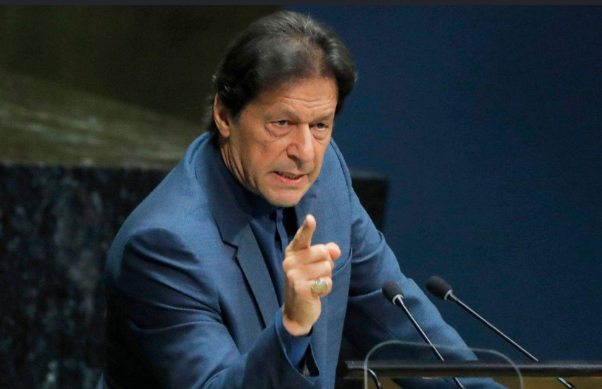
The continued denial by prison authorities and government officials that two prisoners are being subjected to prolonged solitary confinement is concerning, particularly as medical records submitted by the authorities indicate that the former prime minister is experiencing physical effects associated with isolation.
The court observed that access by the general prison population to the prisoner’s place of confinement remains substantially restricted, limiting meaningful social interaction. It also noted that the available record prima facie acknowledged the adverse effects that restricted social and family contact could have on a prisoner’s psychological and physical well-being.
The court further stressed that a prisoner’s fundamental rights to life, dignity and humane treatment do not end at the prison gate. The principle is particularly relevant to Pakistan’s penal system, where concerns over the treatment of prisoners have persisted for years.
Even individuals convicted of crimes remain entitled to humane treatment. While the law may prescribe punishment for offences, prison authorities cannot subject inmates to arbitrary or degrading treatment beyond what is legally sanctioned.
The wider condition of Pakistan’s prison system also remains a serious concern. Many prisoners are subjected to conditions that go beyond what is necessary or justified, while grievances and alleged abuses are rarely addressed effectively.
The situation involving a former powerful political leader, therefore, should be viewed as part of a broader problem rather than an isolated incident.
Pakistan’s penal system requires comprehensive and sustained reform instead of temporary interventions. The system must be reshaped to uphold justice, dignity and rehabilitation, rather than functioning primarily as a means of inflicting additional suffering on those already serving sentences.