Islamabad Deputy Commissioner Irfan Memon has announced a complete ban on the operation of sheesha cafes in the federal capital, following directions from the Islamabad High Court (IHC) to establish a comprehensive regulatory framework for such establishments.
“Immediately implementing the Islamabad High Court’s order, a complete ban has been imposed on running sheesha cafes in the federal capital until further orders,” Memon said in a post on X.
The deputy commissioner said the ban applied to all sheesha cafes, including establishments holding no-objection certificates (NOCs), as well as indoor and outdoor cafes.
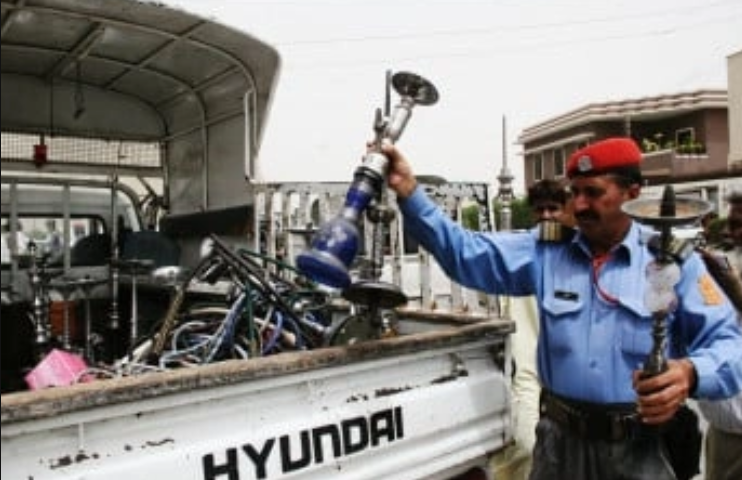
He warned that establishments found violating the ban would be sealed and cases registered against their owners. Assistant commissioners would also conduct daily inspections to ensure compliance, he added.
The announcement came after IHC Chief Justice Sardar Muhammad Sarfraz Dogar directed the Islamabad district administration to formulate comprehensive rules and regulations for sheesha cafes within one month.
The court was hearing petitions concerning several sheesha cafes in Islamabad and action taken against establishments allegedly operating in violation of the conditions attached to their NOCs, which had been issued under an interim arrangement.
Deputy Commissioner Memon and Islamabad Inspector General of Police Syed Ali Nasir Rizvi appeared before the court in their personal capacities. Islamabad Advocate General Naveed Hayat Malik and acting Prosecutor General Manzoor Ahmed Jajja also attended the proceedings.
During the hearing, Chief Justice Dogar acknowledged the business interests of cafe owners but said commercial considerations could not be allowed to compromise public health.
Referring to the potential health risks associated with sheesha smoking, the chief justice observed that members of the public, including young people, could become victims of its harmful effects.
He also questioned the manner in which sheesha was being served and raised concerns over the possible mixing of hashish with tobacco. The judge warned that such activities were taking place openly and could have serious consequences for the younger generation.
The Islamabad IG told the court that police had taken strict action against sheesha cafes in compliance with previous court directives, with cases registered against some establishments.
Rizvi said police teams had faced resistance from cafe owners during raids and that children aged 14 and 15 had been found at some cafes. He added that an awareness campaign had also been launched to highlight the harmful effects of sheesha and the need for its regulation.
The chief justice observed that sheesha cafes could not continue operating in their existing form in the absence of proper rules and regulations.
“There are no rules and regulations,” the chief justice remarked, adding that the prevailing arrangement was adversely affecting the lives and well-being of Islamabad residents.
Acting Prosecutor General Jajja informed the court that individuals aged 18 or below were also involved in selling sheesha. He proposed that the Ministry of Health and federal government be directed to develop a proper regulatory framework.
Jajja described the issue as more serious than smog and called for a comprehensive response.
When asked whether cafe owners shut their establishments during police raids, the Islamabad IG confirmed that they had done so on several occasions.
The chief commissioner and district administration also submitted a written response to the court, stating that NOCs for sheesha cafes were currently being issued under an interim arrangement pending approval of regular legislation by the federal government.
According to the response, the NOCs had been issued without any fee. The administration said separate standard operating procedures were not considered necessary because the criteria for issuing NOCs were based on IHC directives and World Health Organisation guidelines.
Under the existing arrangement, sheesha could only be served in an open and unroofed area. Cafes were also required to obtain a written terrace permit from the relevant assistant commissioner before serving sheesha outdoors.
The assistant commissioner concerned was authorised to inspect establishments, impose additional conditions and take legal action following public complaints.
The administration said a crackdown on sheesha cafes had been underway in Islamabad since 2021. It also highlighted fire risks associated with the unsafe storage of coal and related equipment.
Restaurants were required to adopt fire-prevention and safety measures, while inspection teams had been directed to verify the validity and condition of fire extinguishers.
The administration maintained that sheesha and other tobacco products could only be served to adults and that establishments were required to comply with environmental standards.
It also stressed the need to enforce relevant domestic laws and international regulations aimed at protecting citizens from exposure to tobacco smoke.
The IHC, meanwhile, directed that the existing court-approved arrangement would remain in place until the federal government introduced regular rules and regulations.
The court directed the district administration to formulate the required regulatory framework within one month and adjourned the hearing.