The erosion of traditional arms-control frameworks, shrinking diplomatic space and growing reliance on military power and emerging technologies are creating new challenges for strategic stability in South Asia, experts at a strategic affairs workshop said.
They warned that persistent security concerns, unresolved disputes and continued military posturing in the region were contributing to tensions between neighbouring states.
The discussions highlighted the close link between strategic stability and underlying political disputes, particularly in a nuclear-armed region. Participants cautioned that military escalation between nuclear-armed states could carry serious consequences.
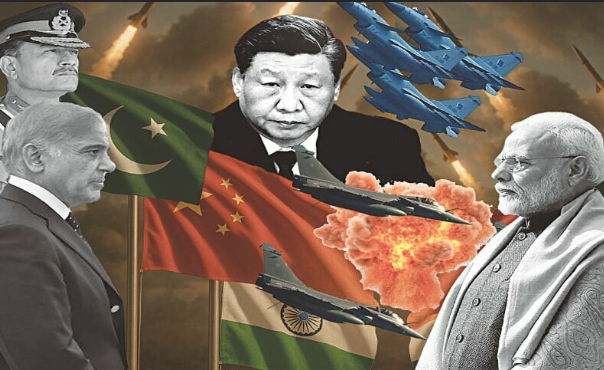
The experience of May 2025 was cited as an example of the risks associated with military confrontation between nuclear-armed countries. Participants stressed the importance of maintaining mechanisms that can prevent escalation and provide space for dialogue.
Pakistan’s nuclear deterrence, conventional capabilities, national resilience and broader response mechanisms were also discussed as elements of its security framework. The principle of responding to aggression while maintaining strategic restraint was highlighted as part of efforts to deter potential threats.
Participants also noted growing challenges to the global arms-control, disarmament and non-proliferation framework. They called for a balanced and non-discriminatory approach that takes into account the security concerns of all states.
The continued modernisation and diversification of nuclear and strategic capabilities, combined with rapid developments in emerging technologies, were identified as factors reshaping the security environment in South Asia.
Participants warned that the selective application of international non-proliferation standards and security arrangements could weaken confidence in the existing global security system.
They stressed the need for consistent and inclusive measures to strengthen strategic stability, reduce the risk of conflict and promote meaningful progress on arms control, disarmament and non-proliferation.
The discussions also focused on the impact of disruptive technologies and increasing reliance on military power, which could further complicate efforts to prevent conflict and manage strategic risks.
The workshop brought together academics, researchers, foreign policy experts and diplomats from across Pakistan to discuss contemporary strategic and security issues.
The event focused on strengthening the capacity of academics and trainers to contribute to informed discussions on strategic stability, nuclear deterrence, arms control and non-proliferation.
Participants also discussed Pakistan’s evolving strategic environment, its regional role and the challenges and opportunities shaping its security policy.
The discussions further examined Pakistan’s role in diplomacy and regional engagement, with emphasis on partnerships and dialogue as the international security environment becomes increasingly complex.