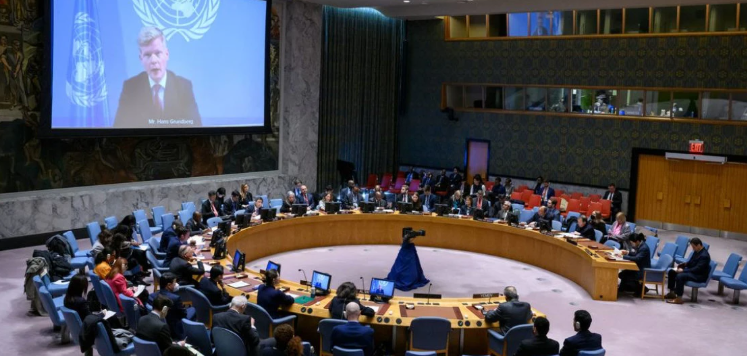
US President Donald Trump is set to face a sceptical audience of world leaders when he returns to the United Nations on Tuesday, amid growing concerns over the prolonged war with Iran, regional instability and the unresolved threat posed by Tehran’s nuclear programme.
Six months into the conflict, Iran has remained defiant despite suffering military and economic setbacks. Tehran has disrupted oil shipments through the Strait of Hormuz, while its Houthi allies in Yemen have strengthened their position around a key Red Sea shipping route, contributing to higher global energy prices.
The Houthis’ rapid advances have added pressure on Trump over the increasingly unpopular conflict, while also challenging the security of US ally Saudi Arabia and highlighting difficulties facing Washington in protecting its regional partners.
Several European and Asian allies have declined Trump’s calls for assistance in the conflict, which began without consultations with many US partners and has had economic repercussions beyond the region.
Higher US gasoline prices and declining approval ratings could also become political issues ahead of November’s midterm elections, when Republicans will seek to retain control of Congress.
“We are seeing what happens when a president launches a war of choice without anticipating the unintended consequences,” said Aaron David Miller, a former Middle East policy adviser to both Republican and Democratic administrations.
In his address to the annual gathering of world leaders in New York, Trump is expected to present the US military campaign as a success. He had previously said the conflict could end within weeks, but the war has instead developed into a prolonged stalemate.
The fighting has yet to produce a clear resolution to Trump’s changing objectives and has placed additional pressure on US military resources, including Pentagon missile stocks.
Trump’s challenges have increased following the Houthis’ advance against Saudi-backed Yemeni government forces along the Red Sea coast. The group has also seized islands near the Bab el-Mandeb Strait, a strategically important shipping corridor through which disruptions could affect global oil supplies.
A senior Trump administration official said the United States remained focused on protecting key security interests, including freedom of navigation in the Red Sea, while supporting regional partners in addressing security challenges.
Iran was a relatively limited part of Trump’s address to the UN General Assembly last year. At the time, he highlighted US airstrikes against Iran’s nuclear facilities, claiming they had destroyed the country’s uranium-enrichment capabilities.
Experts, however, concluded that the strikes had significantly delayed rather than completely eliminated Iran’s nuclear programme.
Trump also portrayed himself as a peacemaker and repeated claims that he had helped end several conflicts, including the 12-day war between Israel and Iran in 2025. He has also continued to say he deserves the Nobel Peace Prize.
Events since then have presented a different picture.
Trump joined Israel in launching strikes against Iran on February 28, citing what he described as an imminent nuclear threat to the United States. Experts disputed claims that Iran was close to producing a nuclear weapon, while Tehran has consistently denied seeking such a weapon.
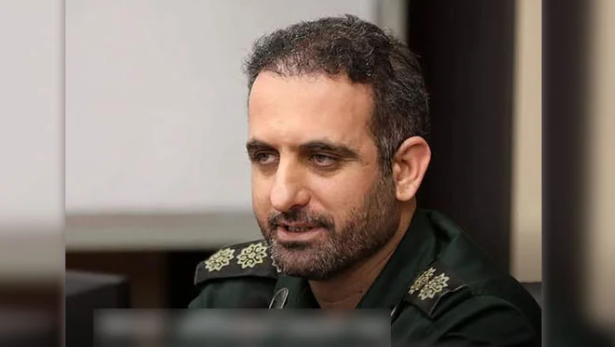
Despite attacks that killed several senior Iranian leaders, Iran has continued military operations against US bases and Gulf countries hosting American forces.
Iran has also retained a stockpile of highly enriched uranium that is believed to have been buried and protected from US strikes in June 2025.
White House spokeswoman Anna Kelly said Trump had demonstrated the resolve needed to confront Iran over its nuclear programme, arguing that he had achieved his objectives and that US sanctions and a maritime blockade were placing increasing pressure on the Iranian economy.
Trump has rejected Saudi requests for direct US military intervention against the Houthis, who reached a ceasefire agreement with Washington last year.
Analysts said the decision has contributed to concerns among Gulf states about the reliability of US security guarantees, particularly after Trump launched military action against Iran despite objections from some regional partners.
Trump is also expected to meet Gulf leaders on the sidelines of the UN gathering next week, according to Axios.
The administration faces a difficult choice as the Houthis threaten another major shipping route while the US military remains heavily engaged in the conflict with Iran.
US officials met Houthi representatives in Oman last weekend, according to people familiar with the discussions. The group reportedly said it was targeting Saudi shipping but did not intend to attack American vessels.
“The US clearly has capacity challenges but even so the cost of inaction here is likely to intensify tensions among Gulf allies,” said Jonathan Panikoff, a former deputy national intelligence officer for the Middle East.
The Houthis’ renewed emergence as a regional security threat has further complicated Trump’s efforts to find a way out of the conflict.
With the war entering its seventh month, the United States remains involved in a prolonged battle of attrition while Trump continues to increase economic pressure on Tehran.
Trump, who has previously offered varying timelines for ending the conflict, told reporters on Wednesday that “hopefully we are towards the end.”
Analysts, however, have warned that the conflict could continue beyond the November midterm elections. Geopolitical analyst Brett Erickson said Iran had little incentive to ease pressure on Trump while it retained the ability to influence the political environment ahead of the elections.